03 April 2026

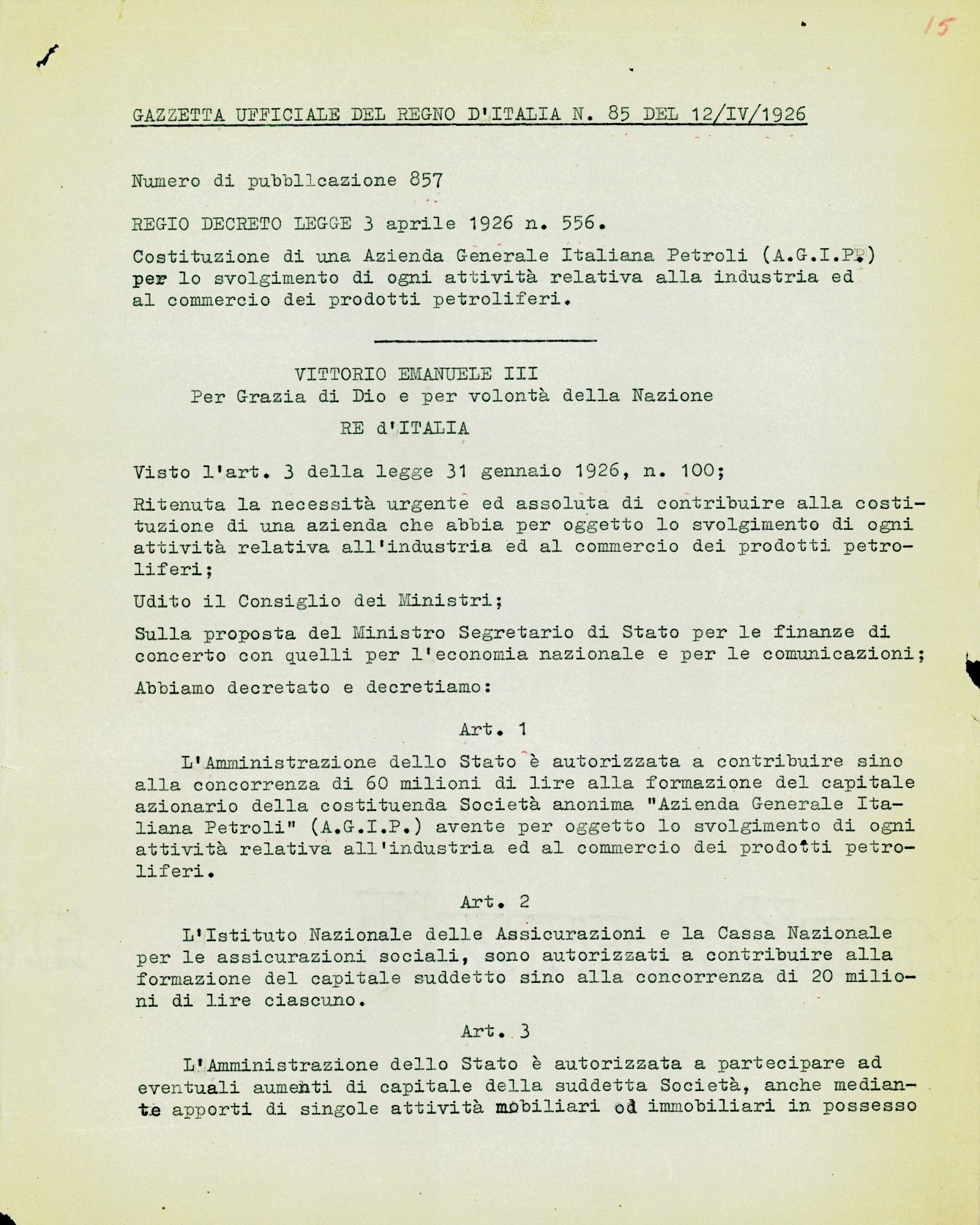
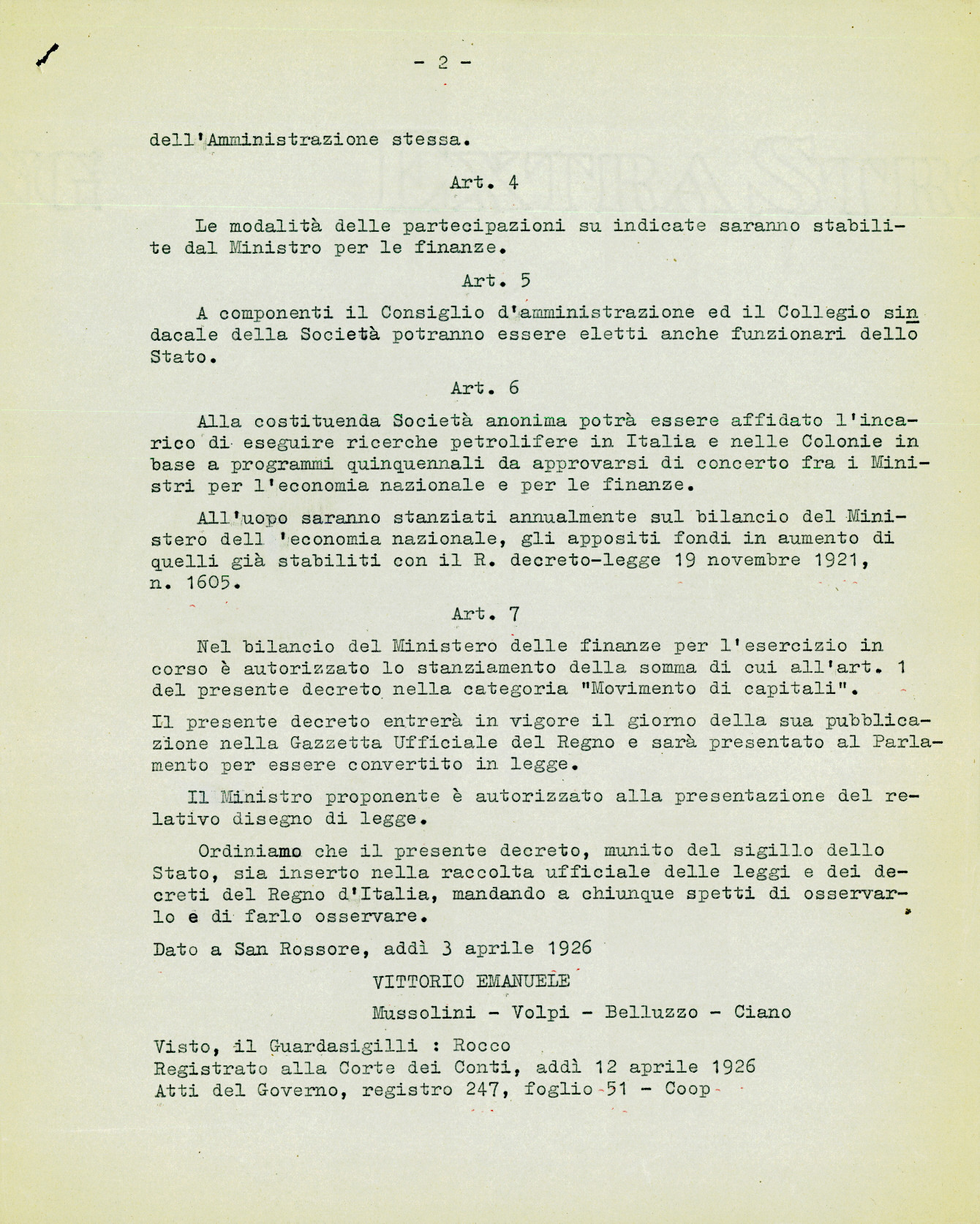
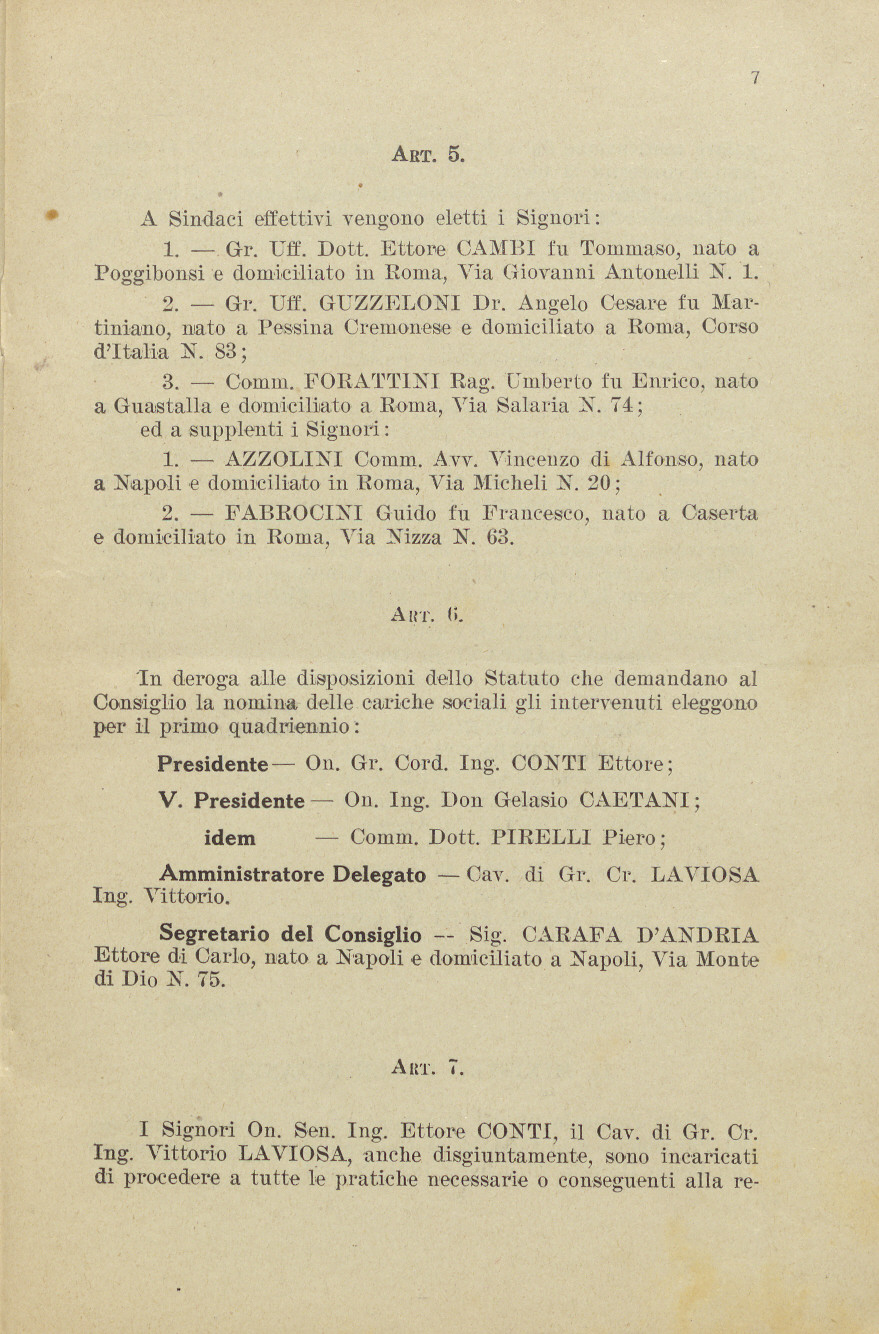
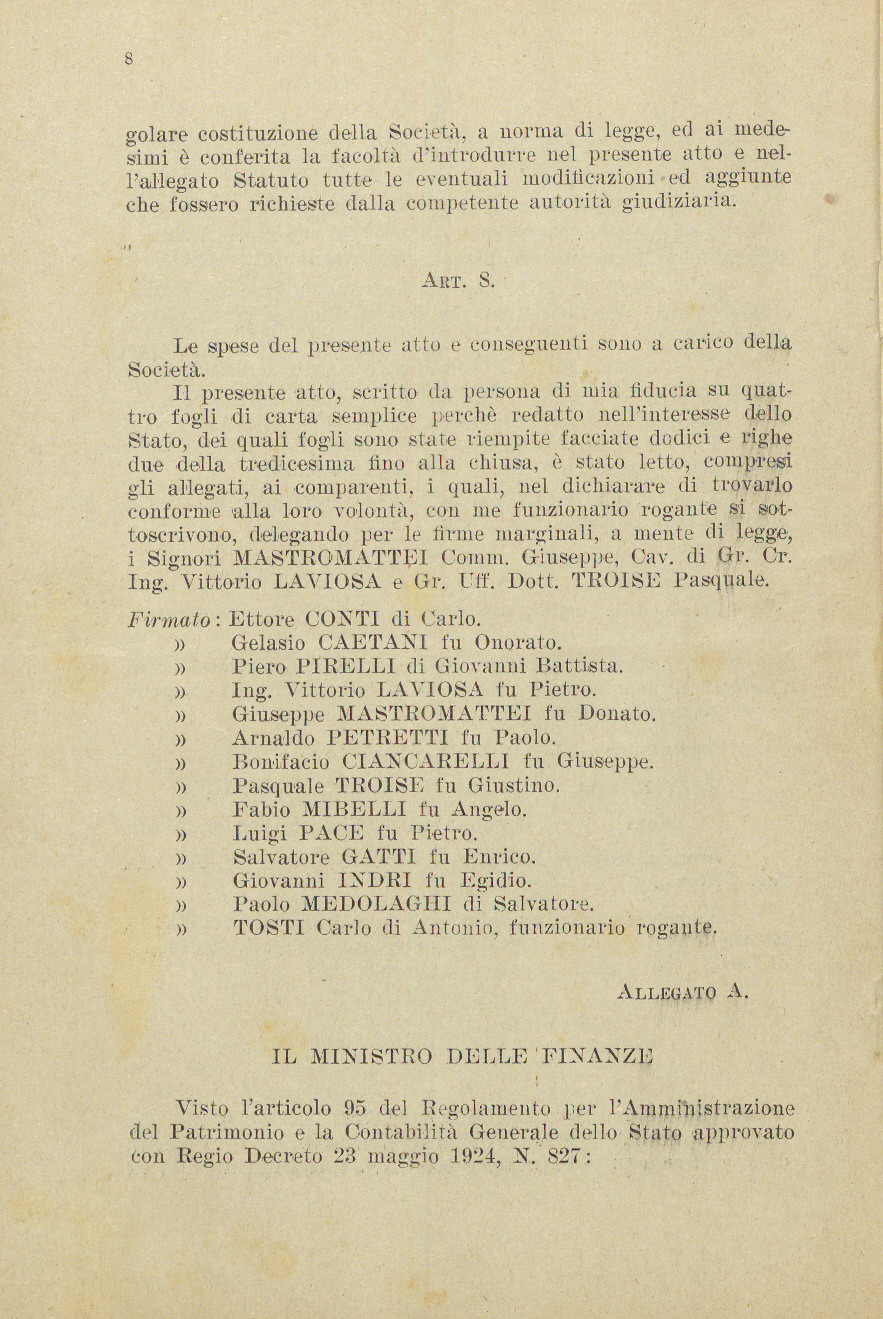
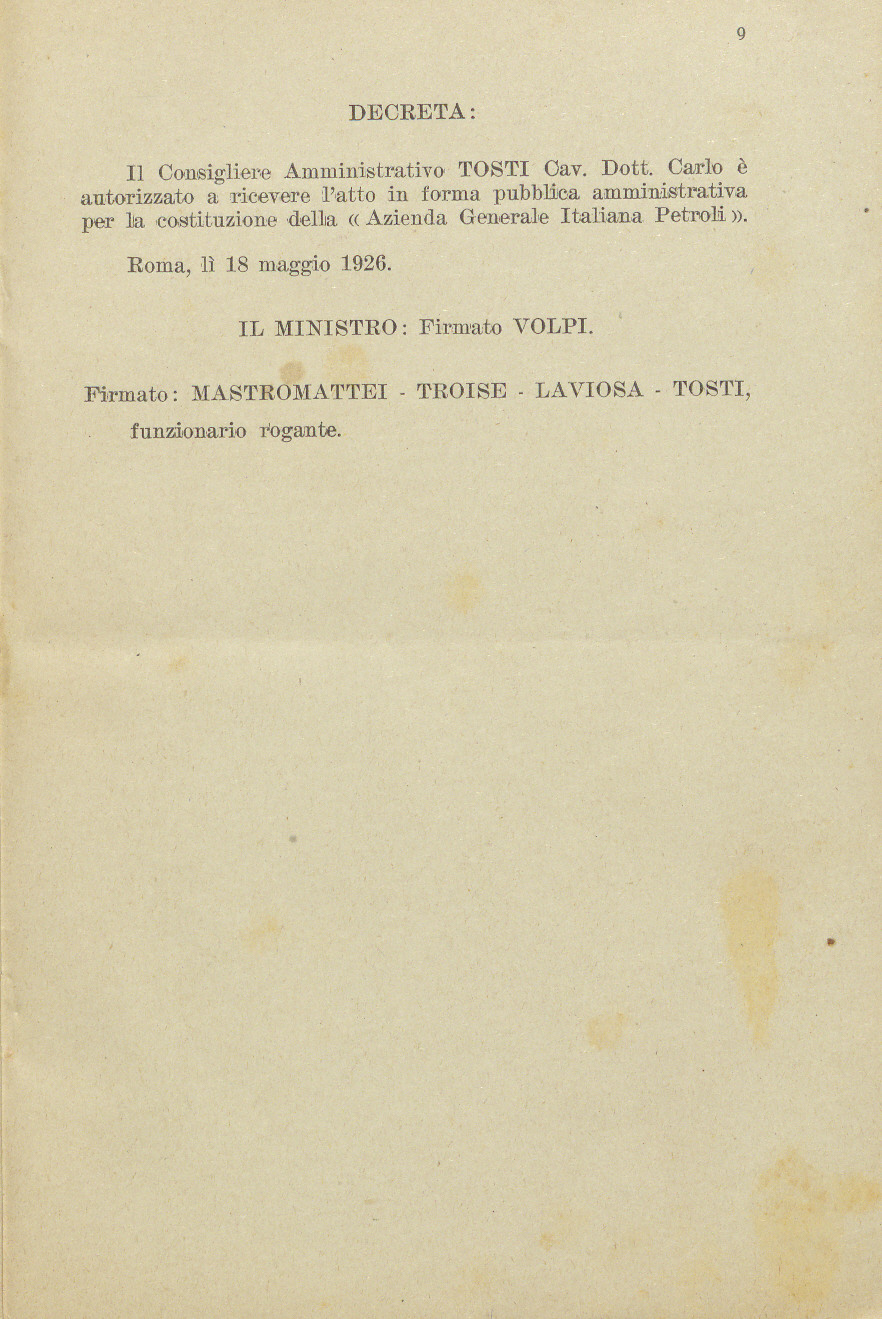
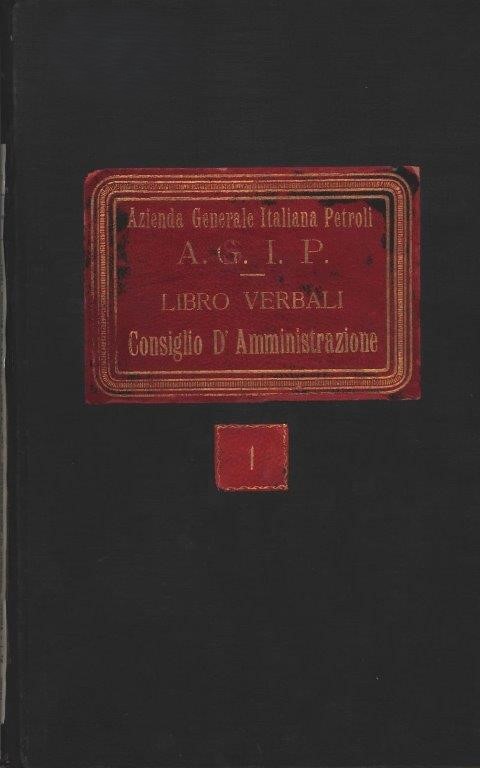
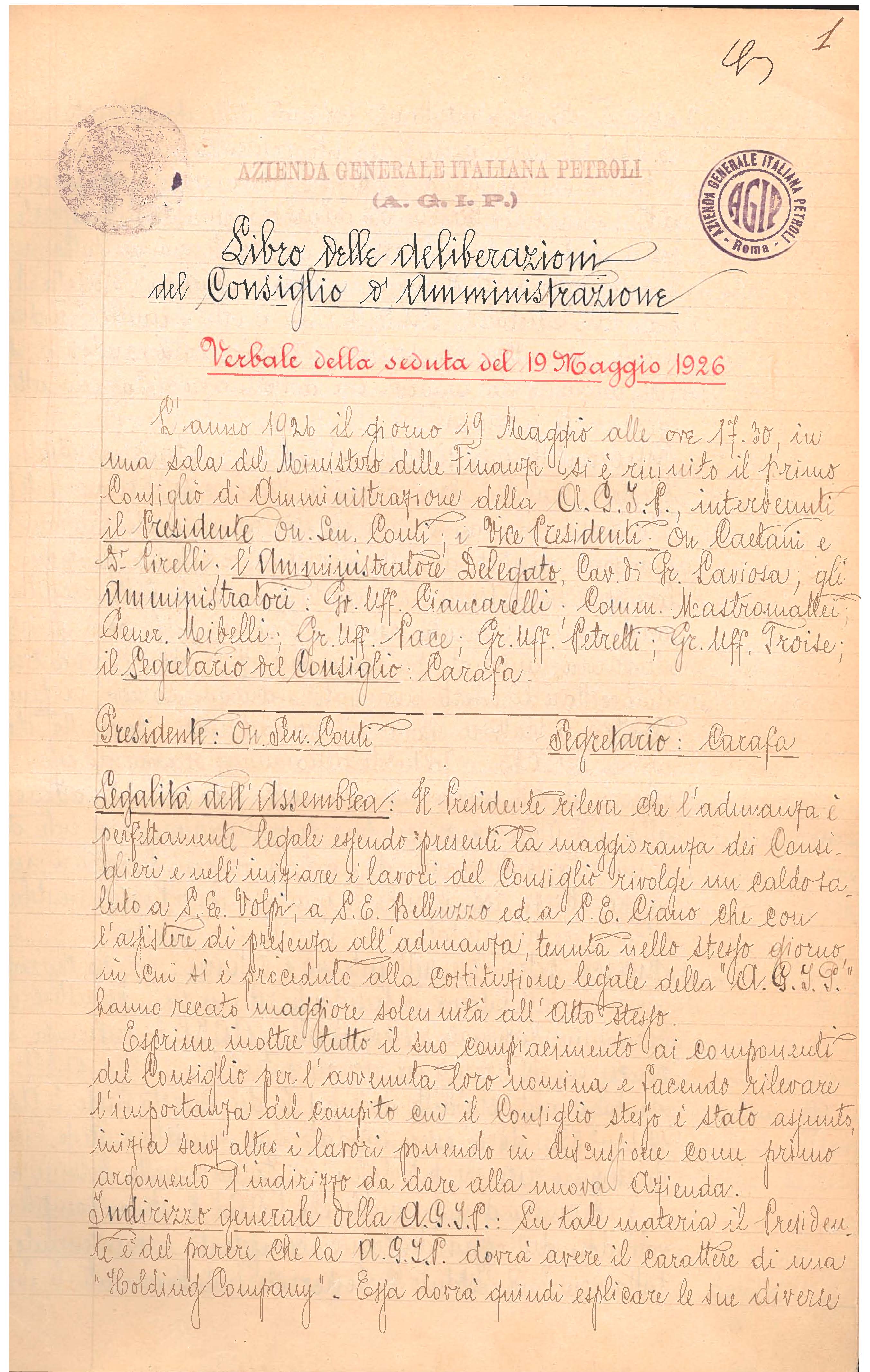
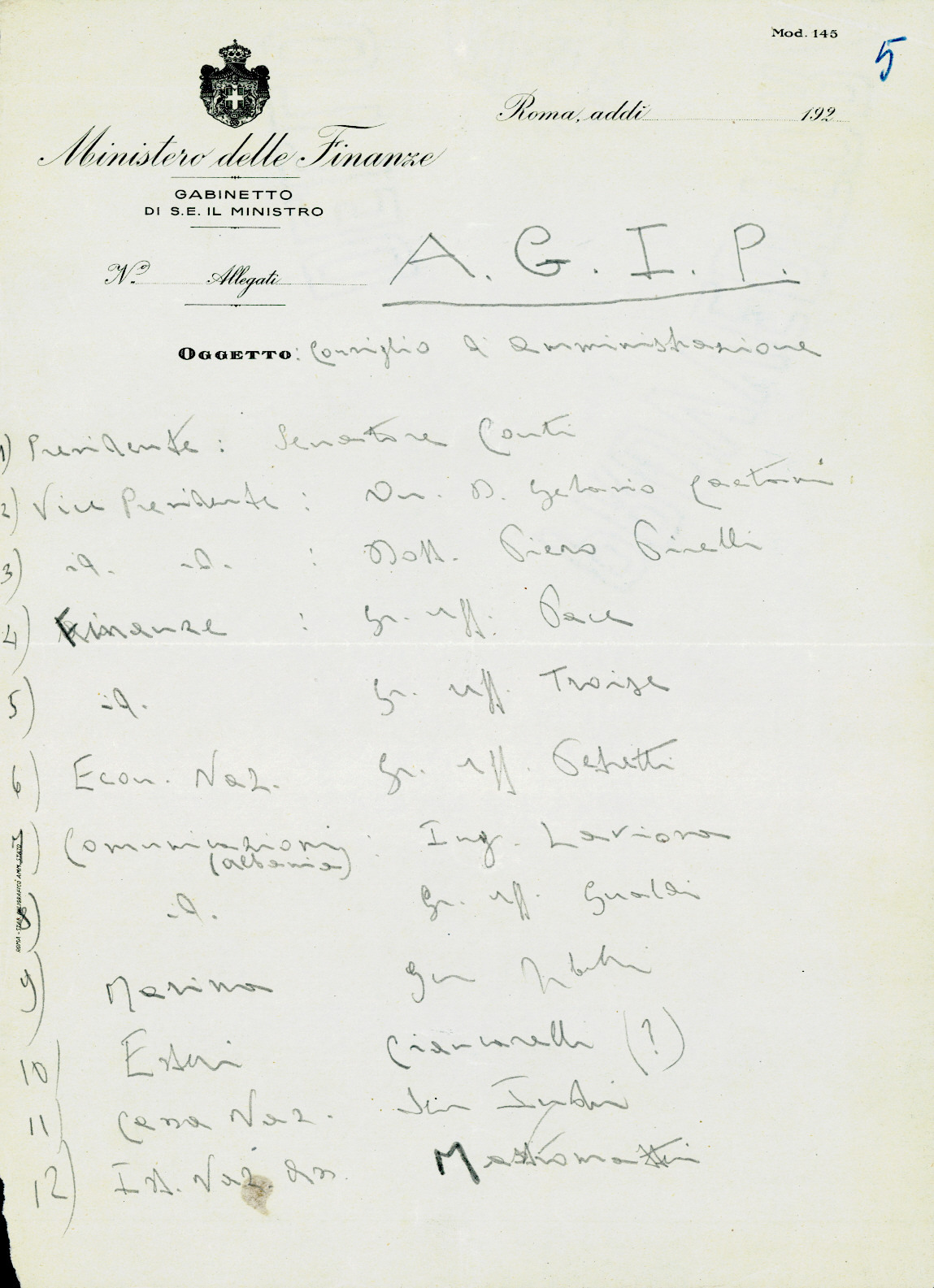
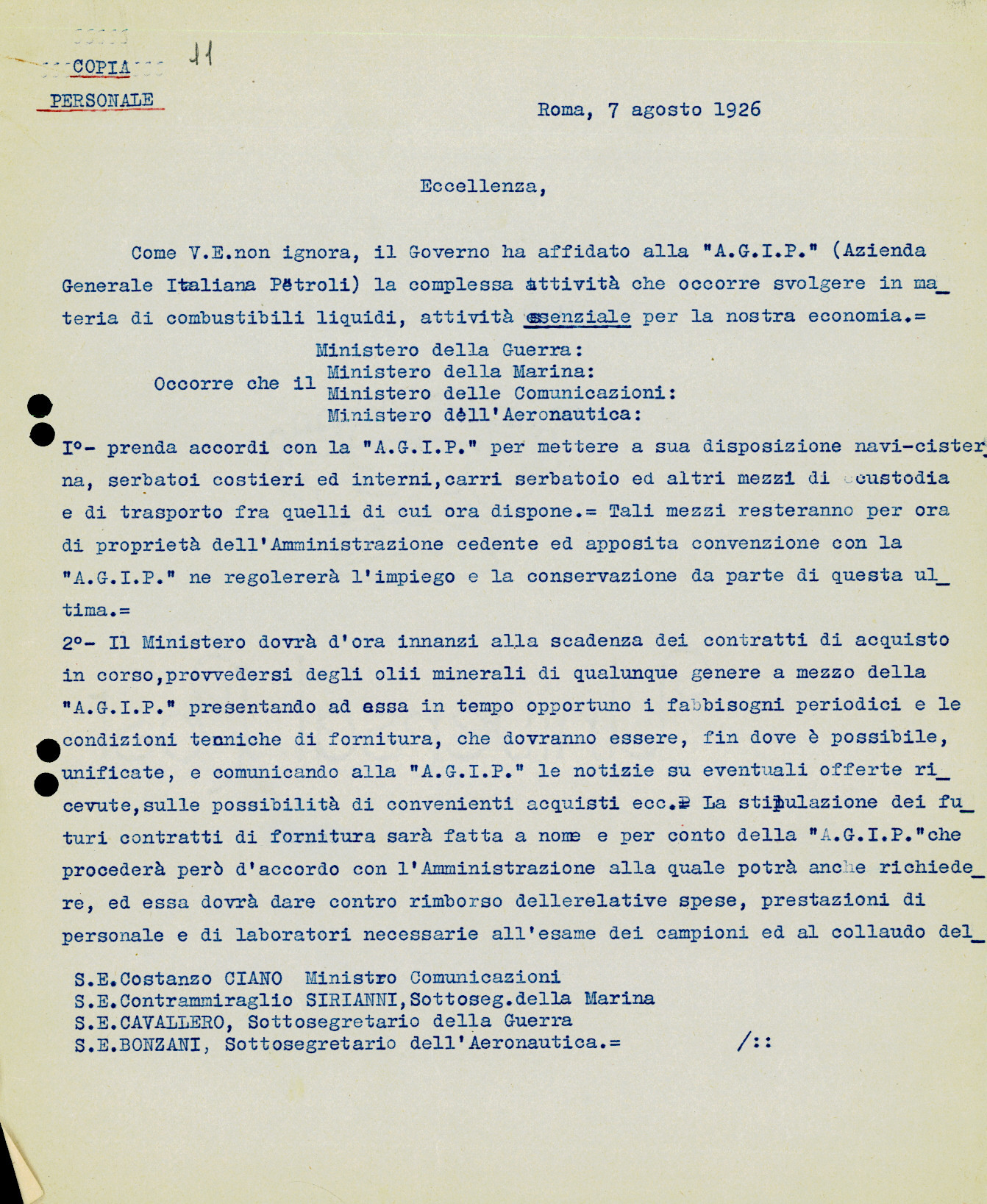
Agip was founded in April 1926 by a state law. The aim was to meet Italy's energy needs and, in particular, to dominate the hydrocarbons sector. In a report to the Council of Ministers in March 1926, the Minister of Finance recommended approving the establishment of "a large, completely autonomous industrial company" responsible for fuel sales and oil exploration, to safeguard national interests and limit the freedom of action of international players. The act of May 19 constitutes the Azienda Generale Italiana Petroli (AGIP), with a share capital of 100 million lire, divided between the state (60%) and two public companies (40%).
A large, completely autonomous industrial company
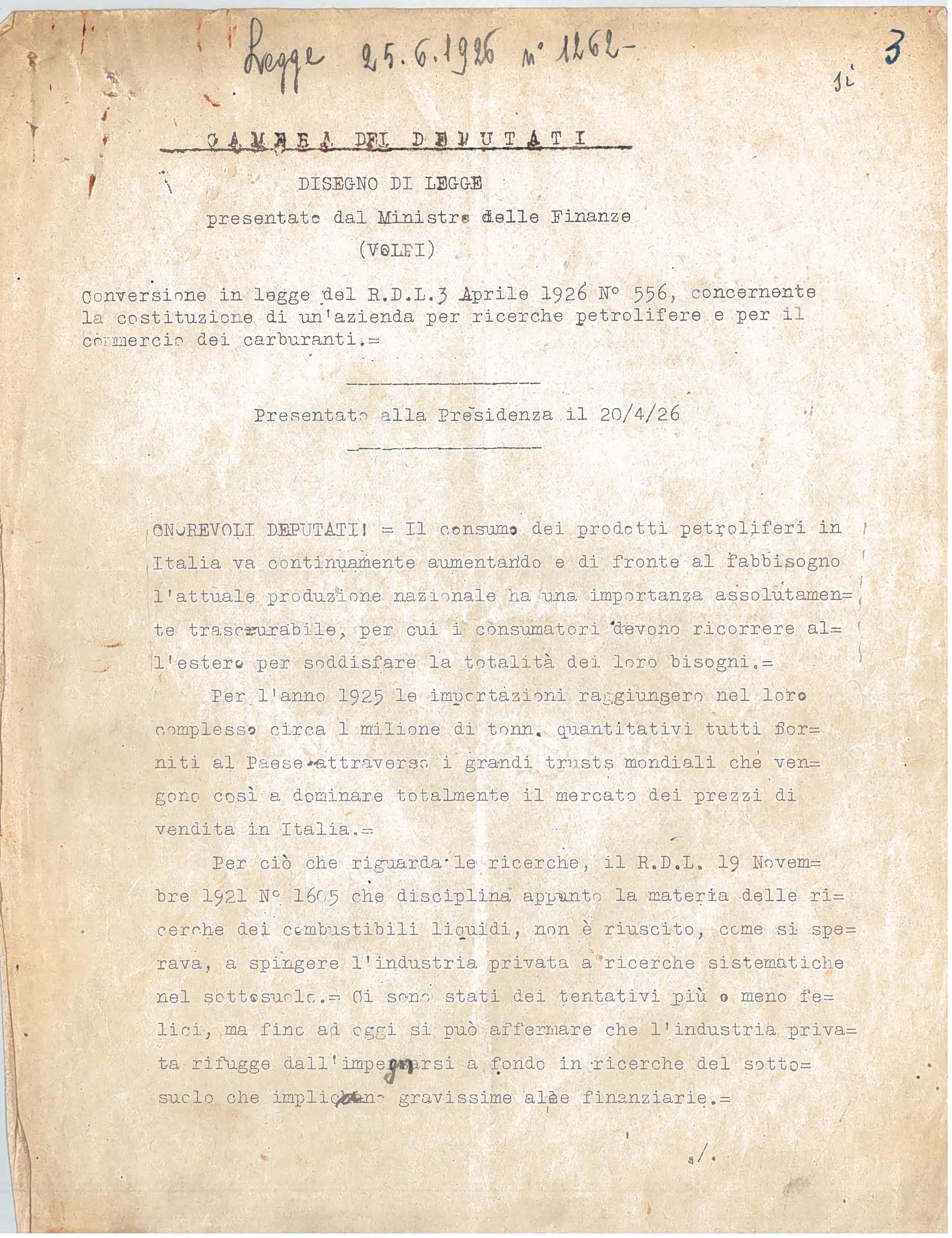
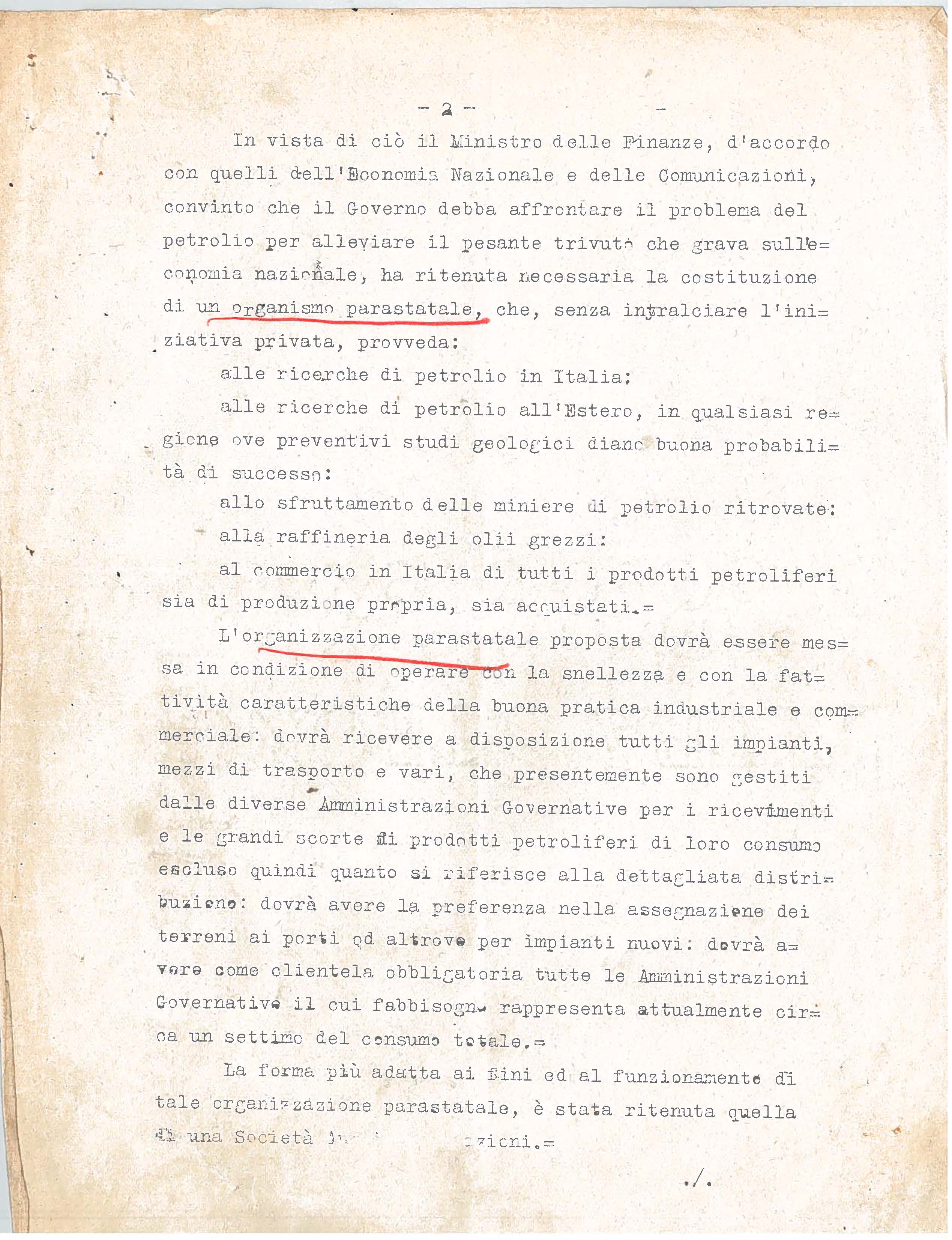
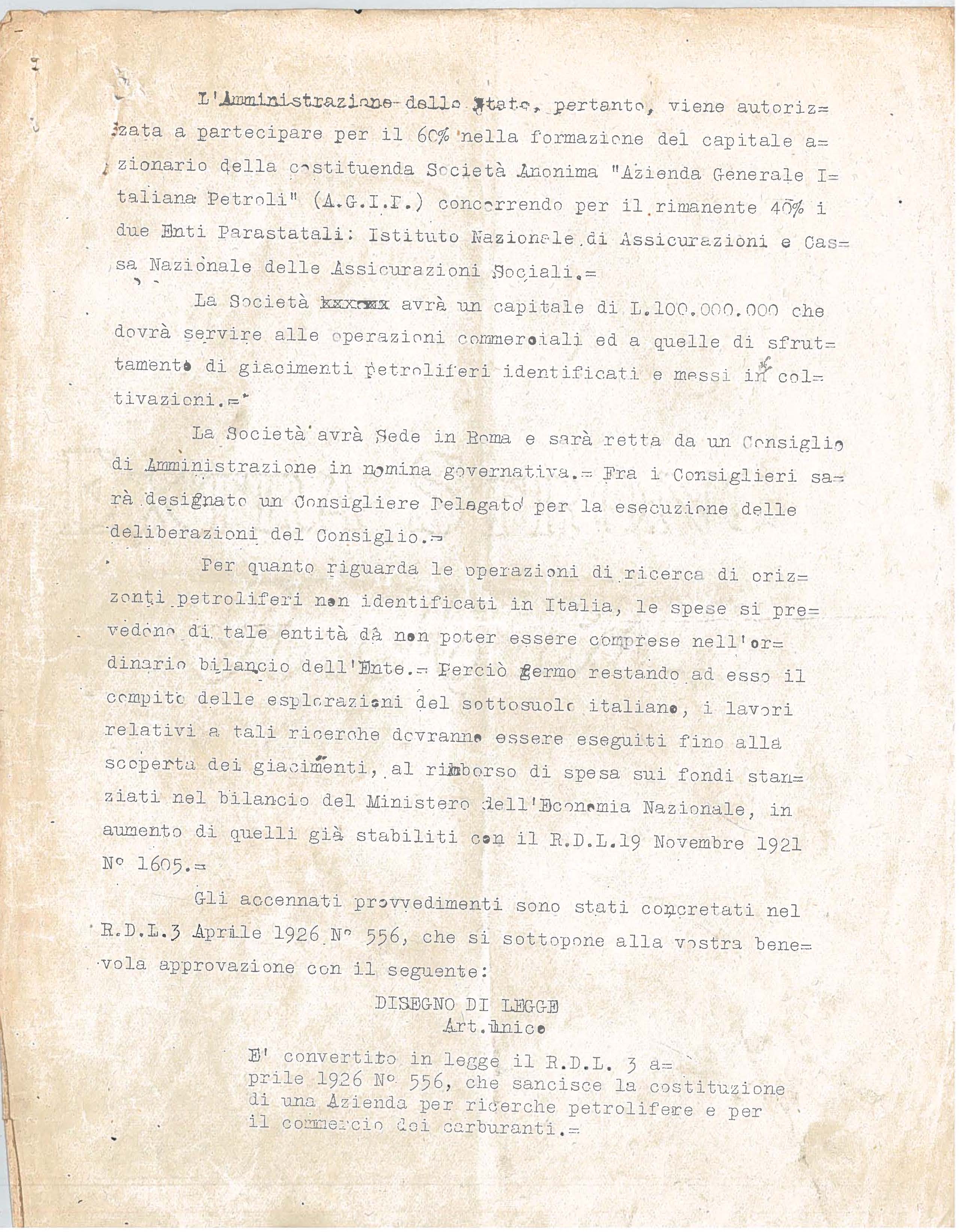
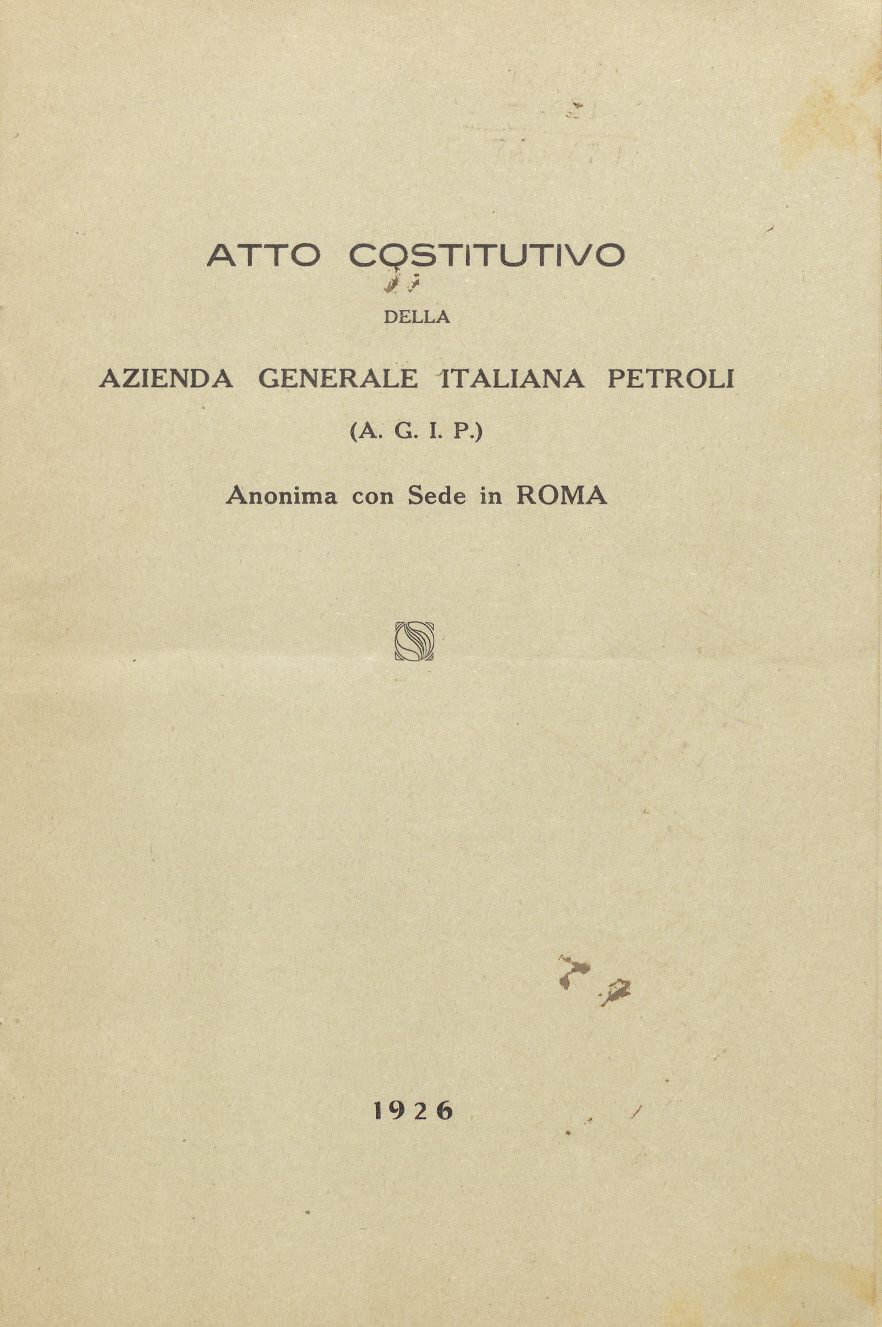
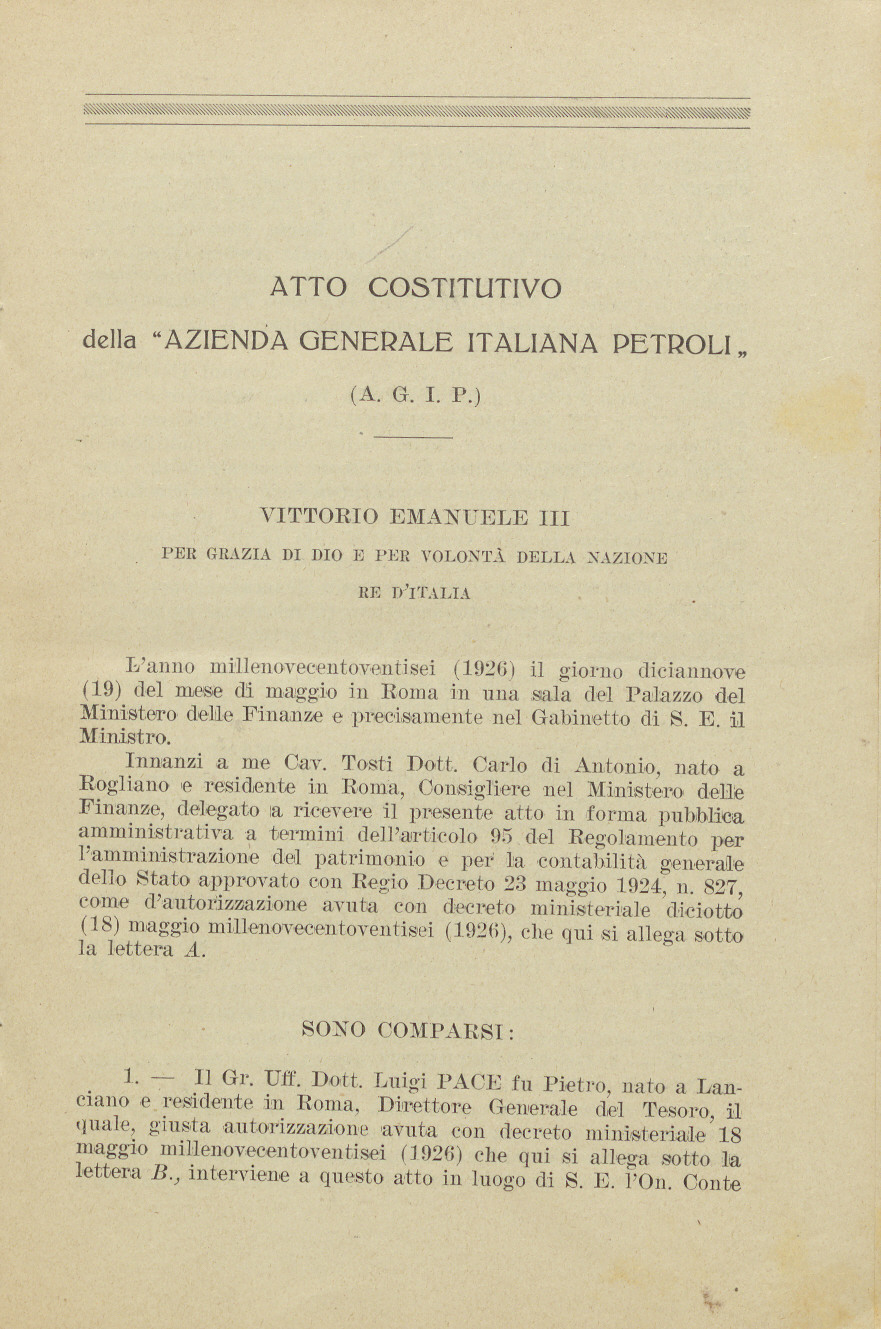
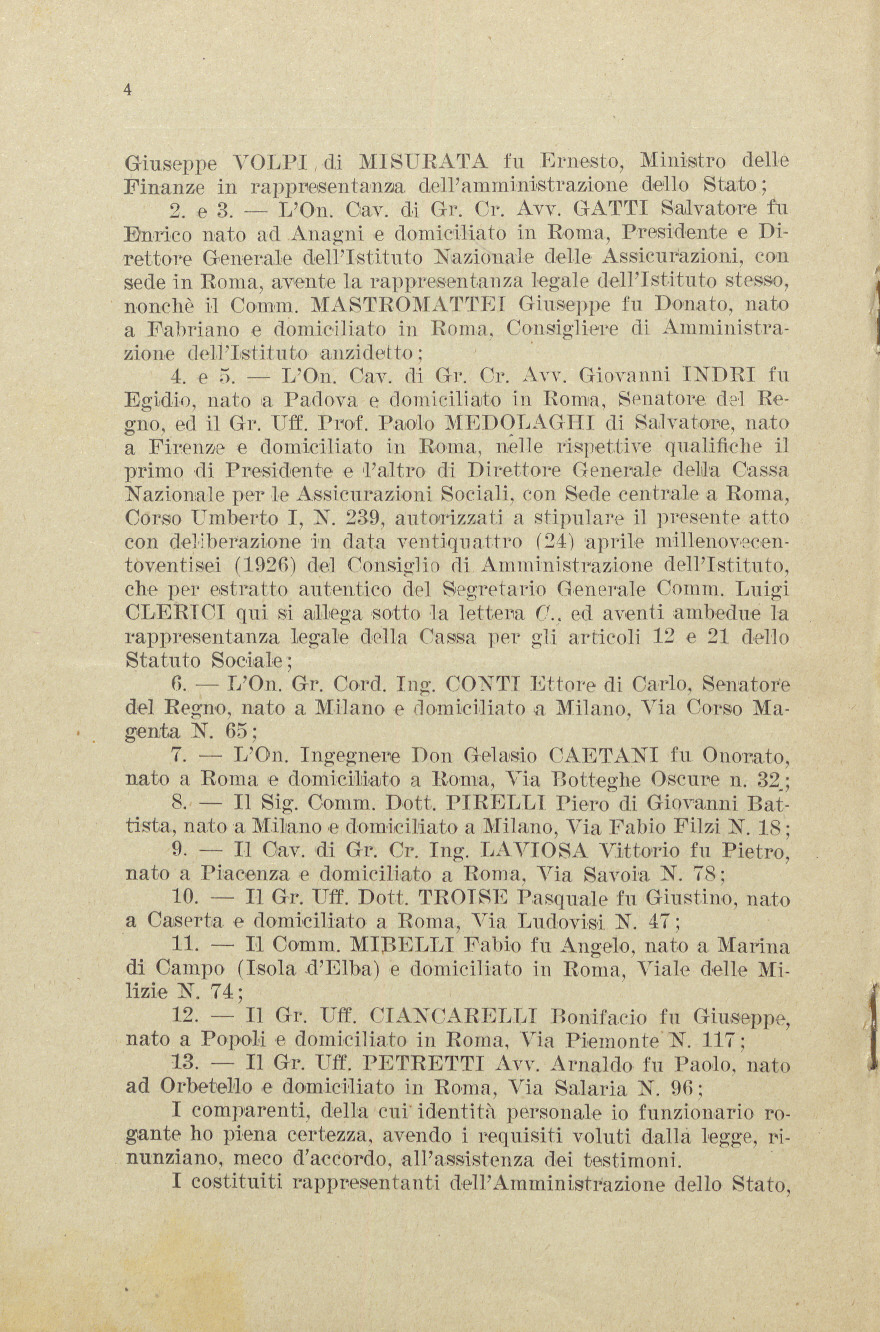
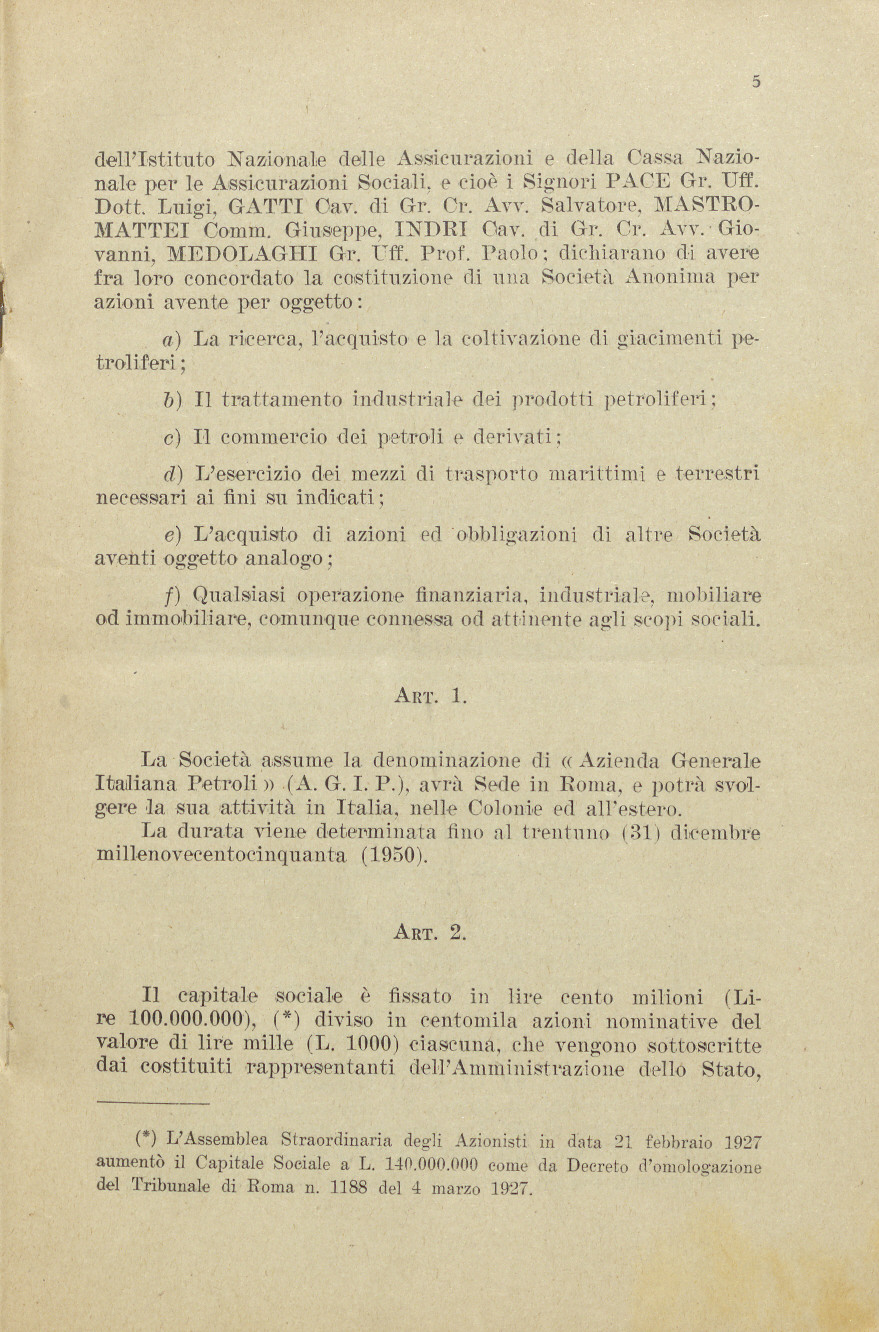
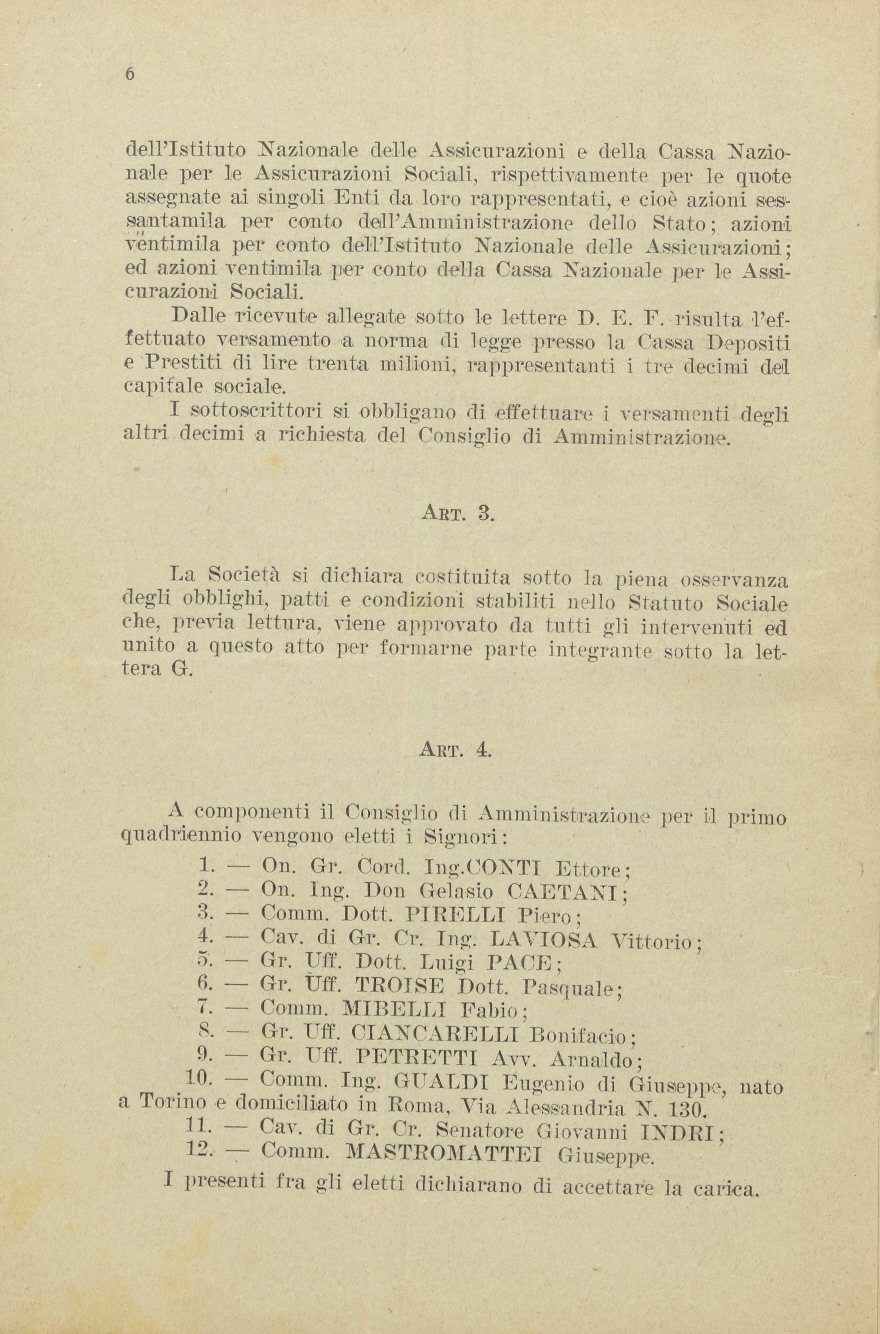
Ritratto di una grande impresa is a documentary produced by Eni in 1961 and directed by Giacomo Vaccari which tells the story of the creation and evolution of the Group starting from the birth of Agip. The full movie

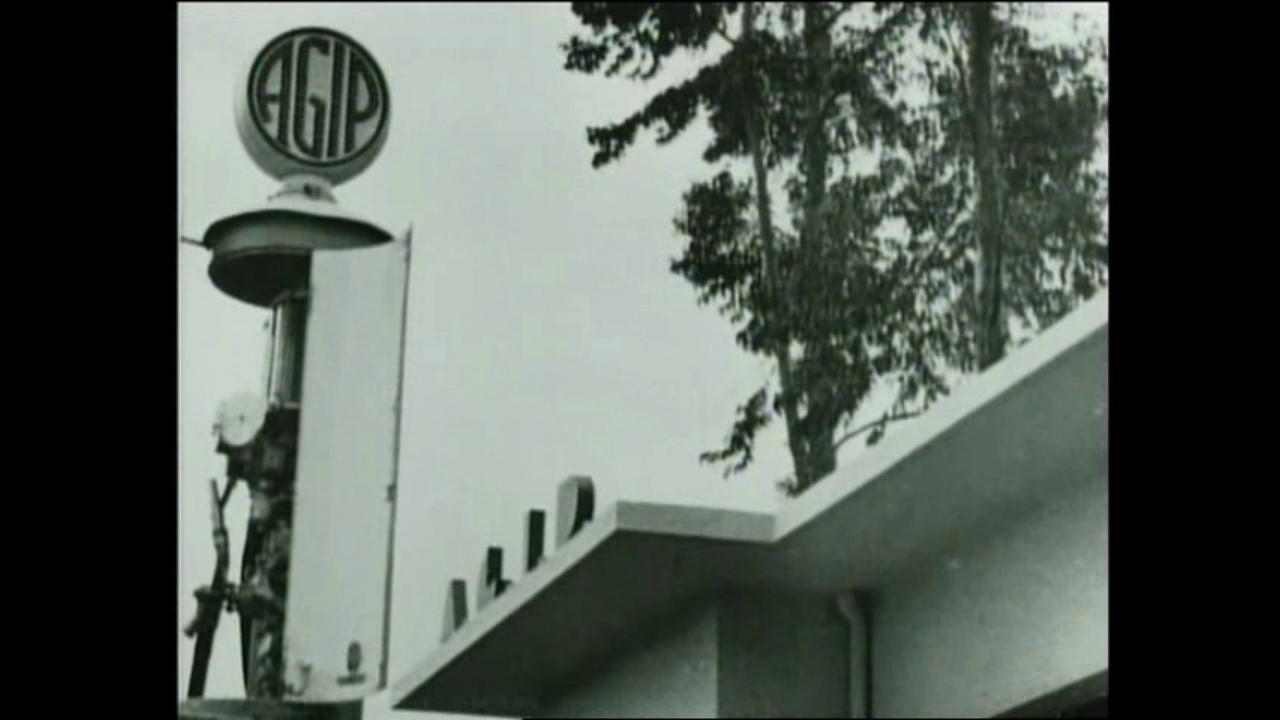
The new company, which had the form of a "holding company" with a management and coordination functions, was entrusted with all the activities relating to production, processing, and marketing of hydrocarbons and mineral oils, with the power to make regulatory interventions and undertake "all kinds of initiatives in the global oil market". For a country determined to compete with major industrial powers, developing a strategy to resolve the national "oil problem" was a necessity: hydrocarbons are the driving force of modernity and Italy can't stand by and watch.
Upon its incorporation, Agip took control of Snom (Società Nazionale Olii Minerali of Milan), which was assigned the trade of liquid mineral fuels, and Romsa (Raffineria Olii Minerali Società Autonoma di Fiume), which already traded mineral lubricants in Italy and abroad. Its first financial statement acknowledged that "the profit generated for the country's general economy must also be considered as an asset".
The first steps were to acquire corporate interests (in Iraq, with shares in British Oil Development, and in Romania through Prahova, from which the first shipment of crude oil arrived for the Fiume Refinery in 1931) and refining facilities, such as the Dicsa plant in Porto Marghera. Then, in a joint venture with Montecatini, Anic was created, capable of operating the two large plants in Livorno and Bari. By 1940, Agip controlled 50% of the country's refining capacity.
Hydrocarbons are the driving force of modernity and Italy can't stand by and watch
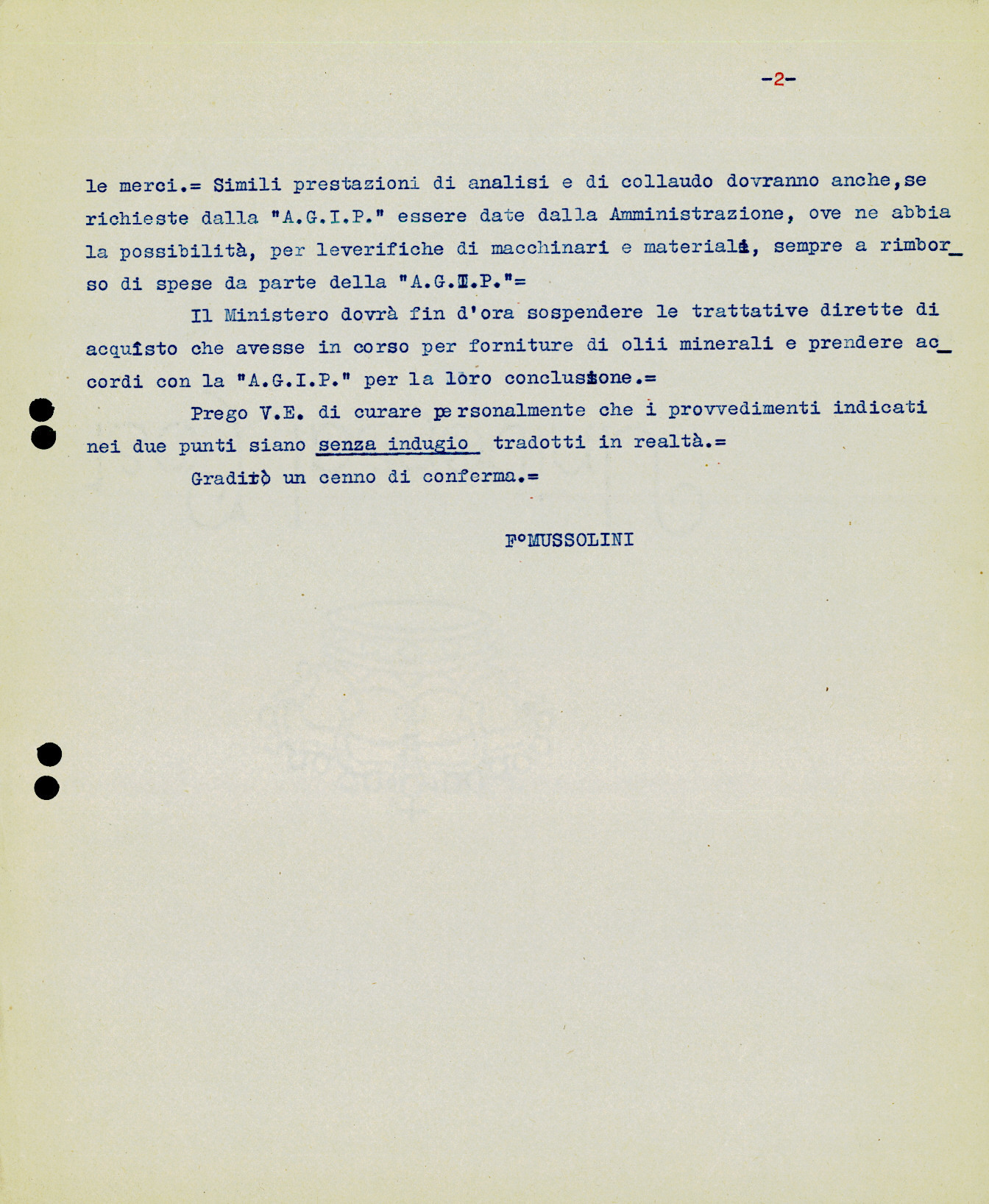
Article 6 of the Decree also entrusted Agip with exploration of the Italian subsoil for the discovery and production of oil fields.
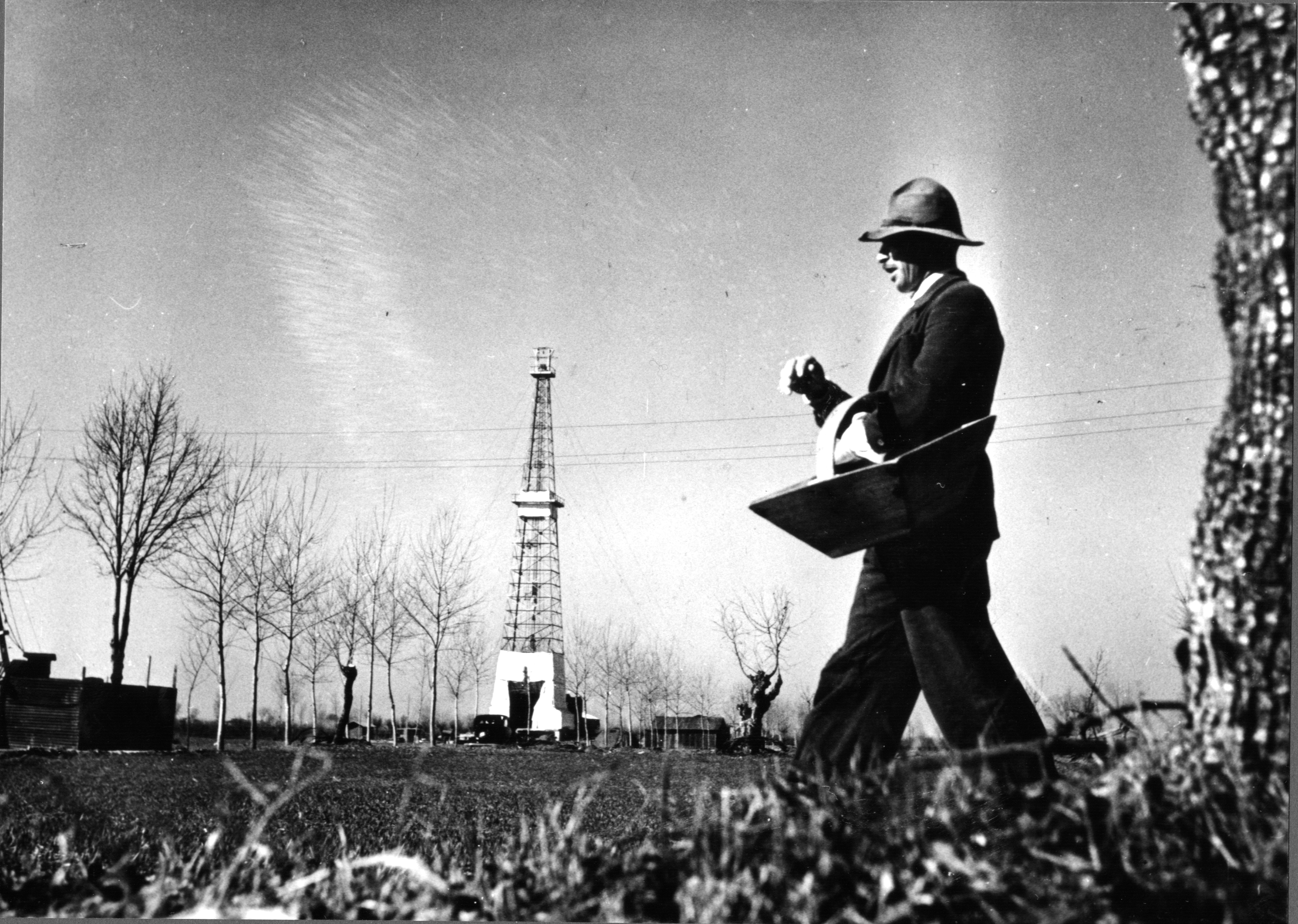
Intensive surveys and exploration led to the discovery of the Podenzano gas field in the Po Valley. Recognizing the area's potential, the nearby Fontevivo, Rio delle Ferdane, and Miano fields were also identified and explored in 1931. The teams' enthusiasm and pace allowed the drilling rigs to be increased from 10 to 70 in the three-year period from 1929 to 1932.
Laboratory analyses became more modern, geological surveys more accurate, and a new rotary drilling technique was introduced, allowing depths of up to 2,000 meters. Oil exploration began in Abruzzo, Basilicata, and Sicily, as well as in Italian East Africa. The project for the first natural gas pipeline, which would carry gas from Podenzano to Piacenza, was launched.
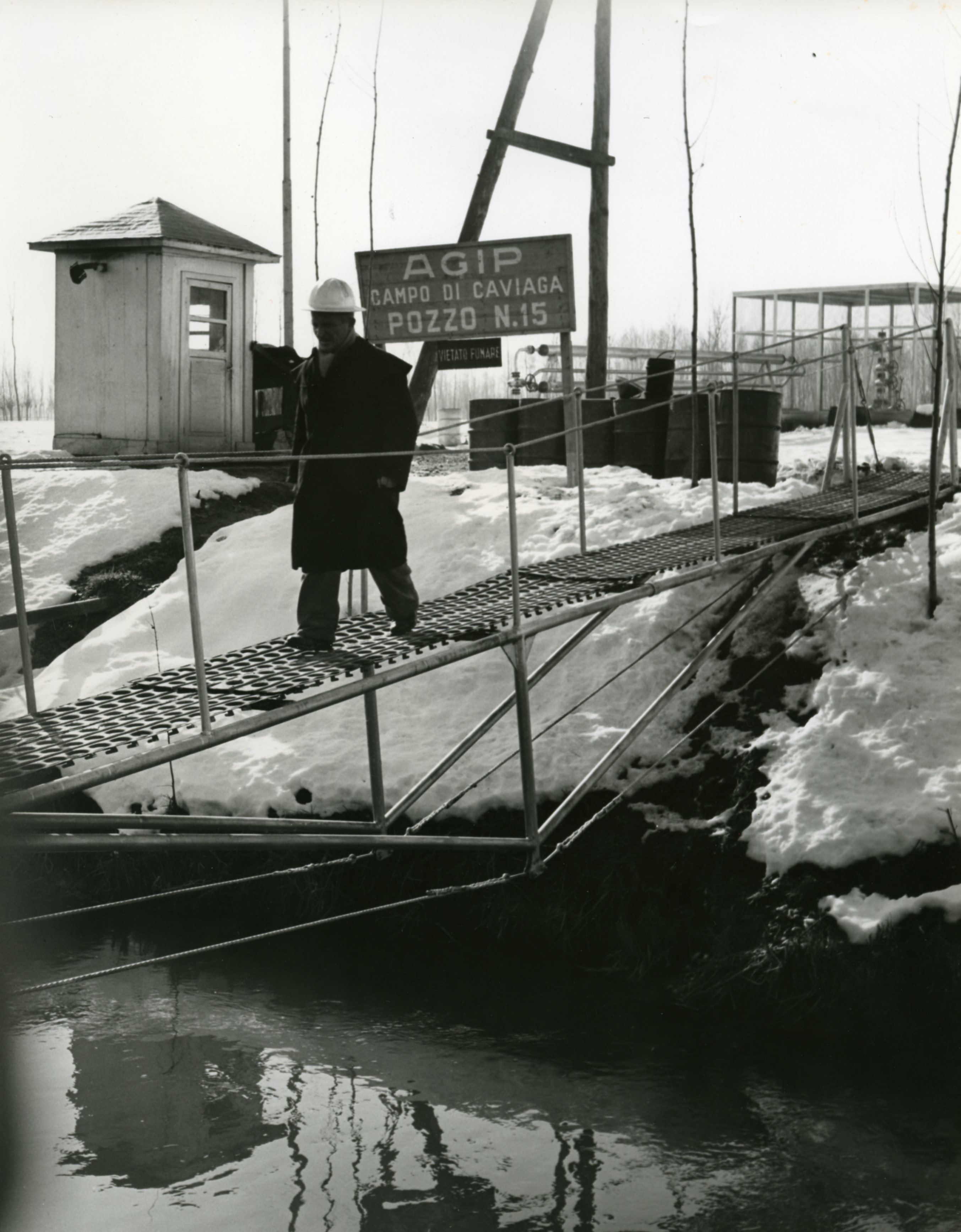
But the turning point for Agip was the introduction of seismic reflection technology, the first company in Europe to use it, in the 1930s and 1940s. This technology would open up new exploration opportunities from the Po Valley to Basilicata. In 1940, the Italian Petroleum Company of Albania (AIPA) was absorbed by Albania, but with the outbreak of World War II, all activities were reduced and, in many cases, stopped altogether. This did not affect the discovery of the Caviaga 1 well, where a significant accumulation of natural gas was identified. The discovery was not reported during the occupation; but at the end of the war, in 1945, the new government decided to divest Agip and appointed a Special Commissioner for its liquidation. That Commissioner was Enrico Mattei. Learn more
At the end of the war in 1945 the new government appointed a Special Commissioner for the divestment of Agip
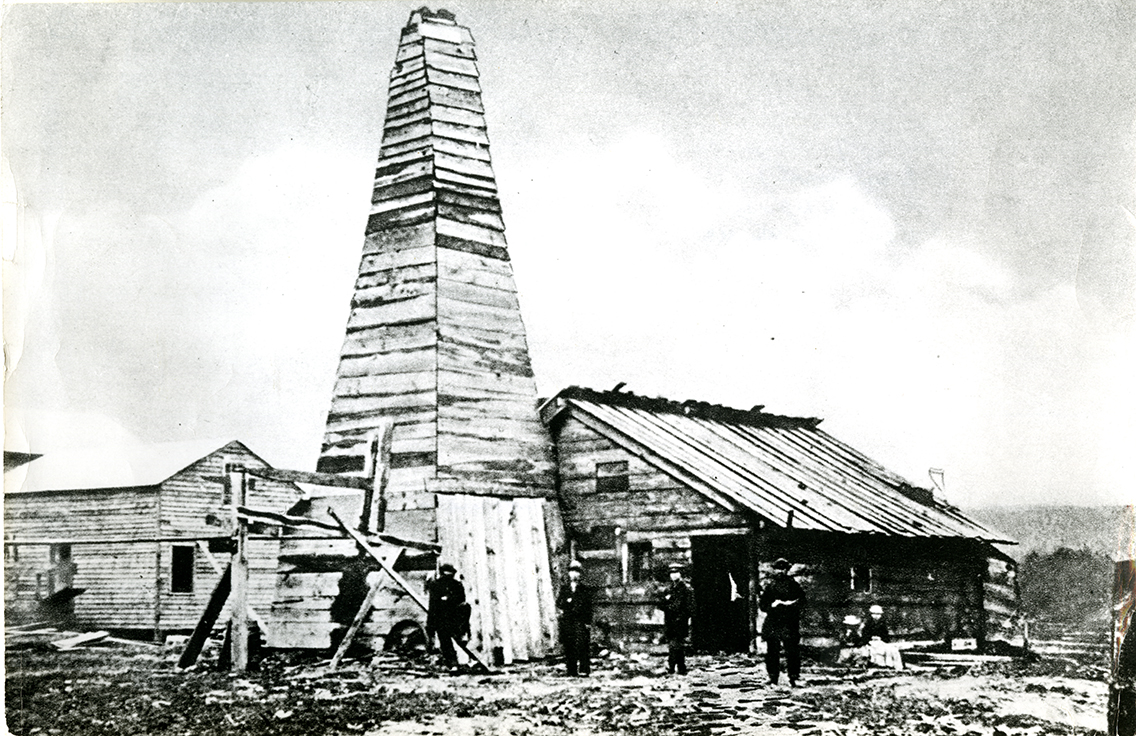
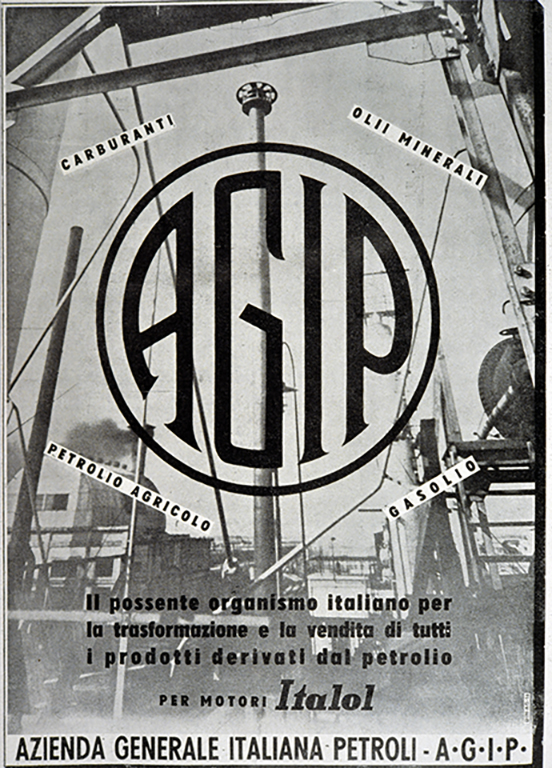
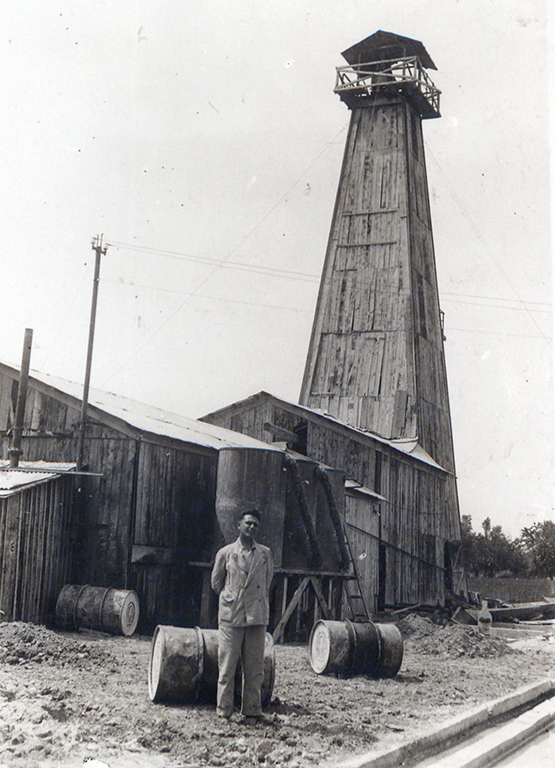
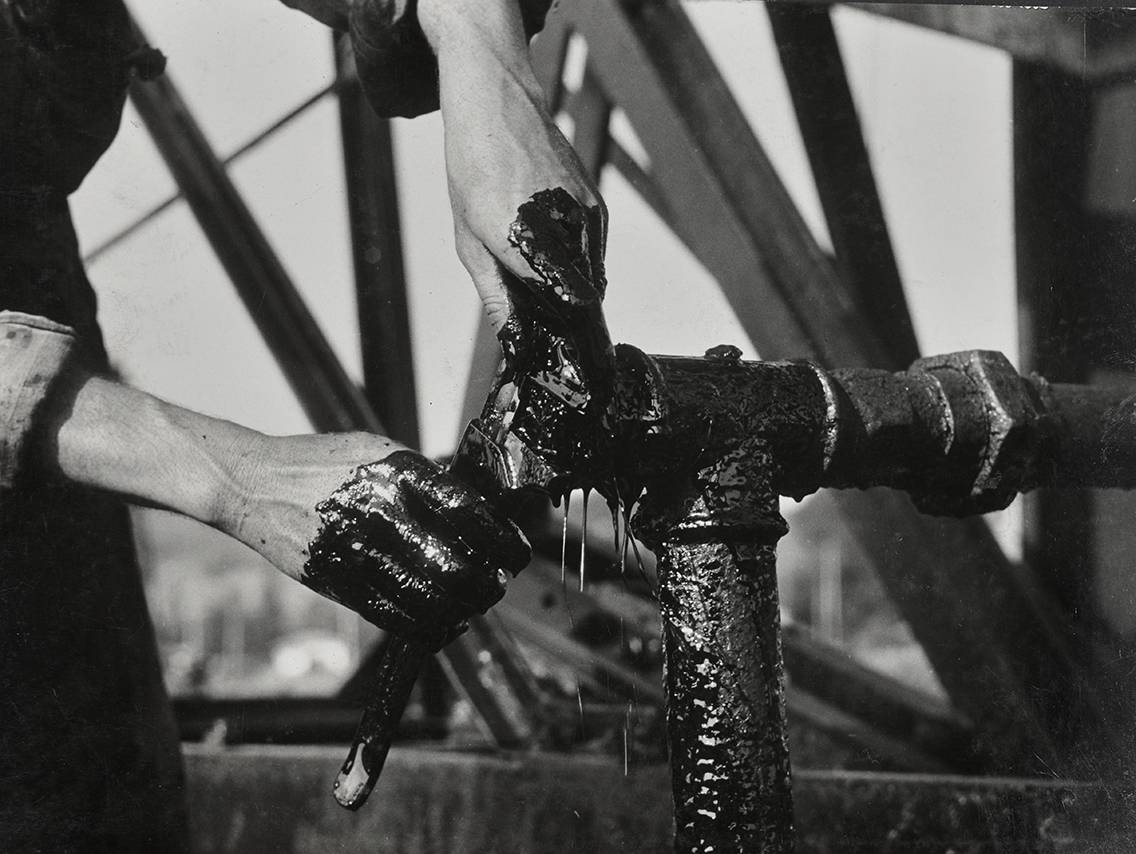
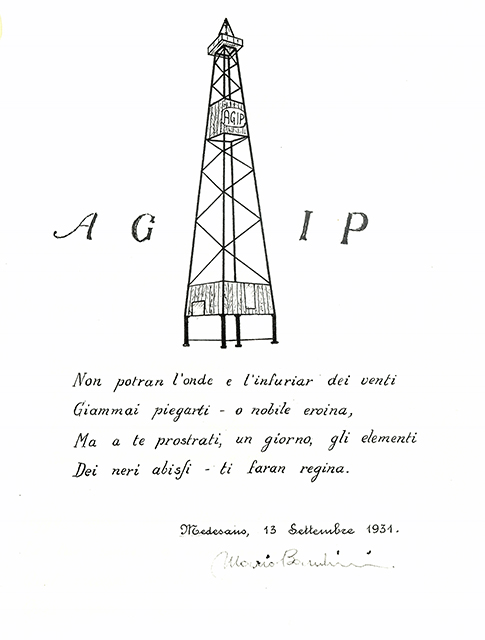
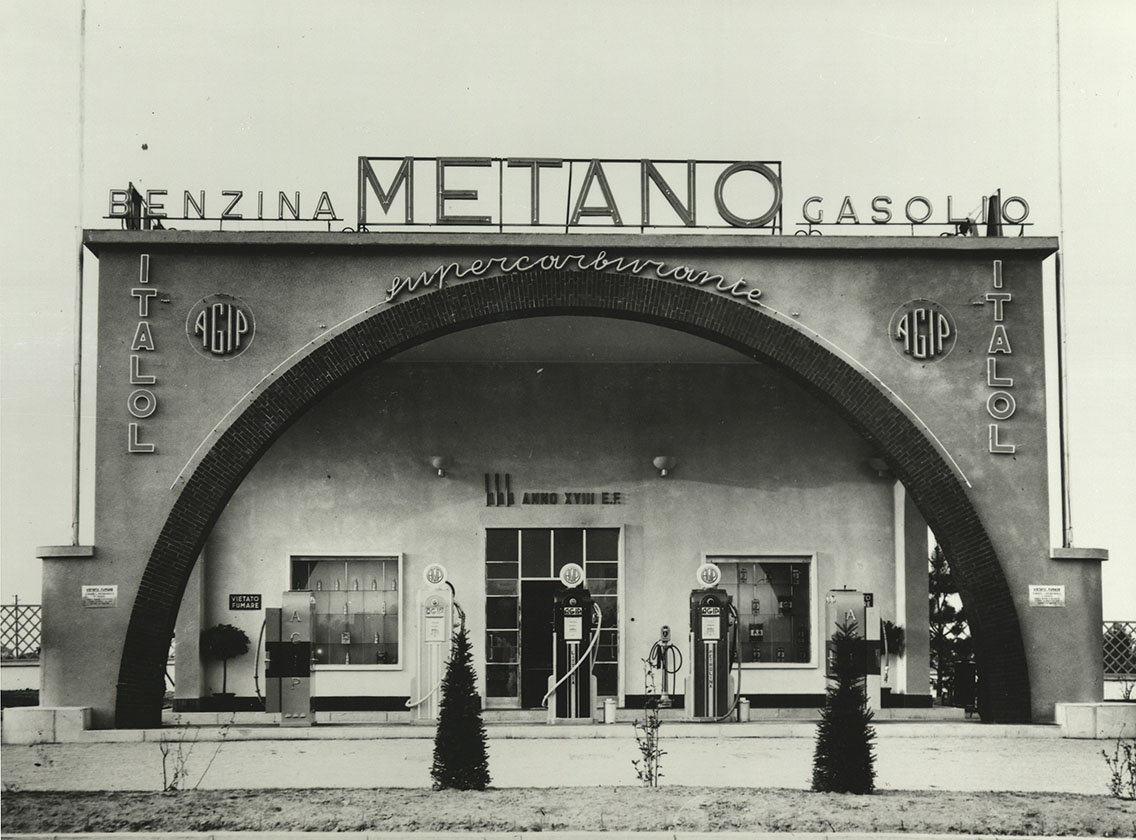
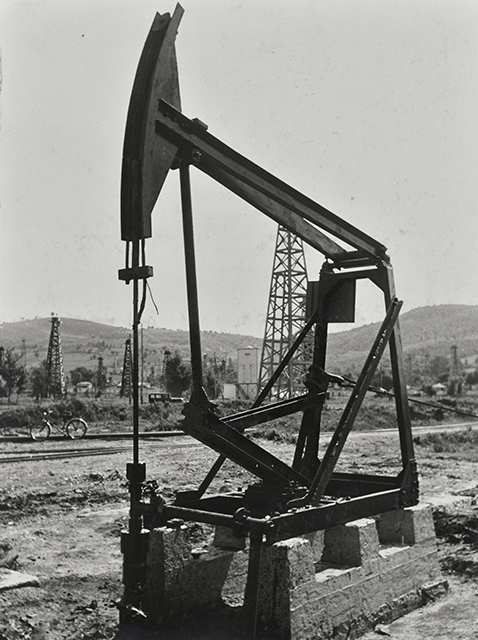
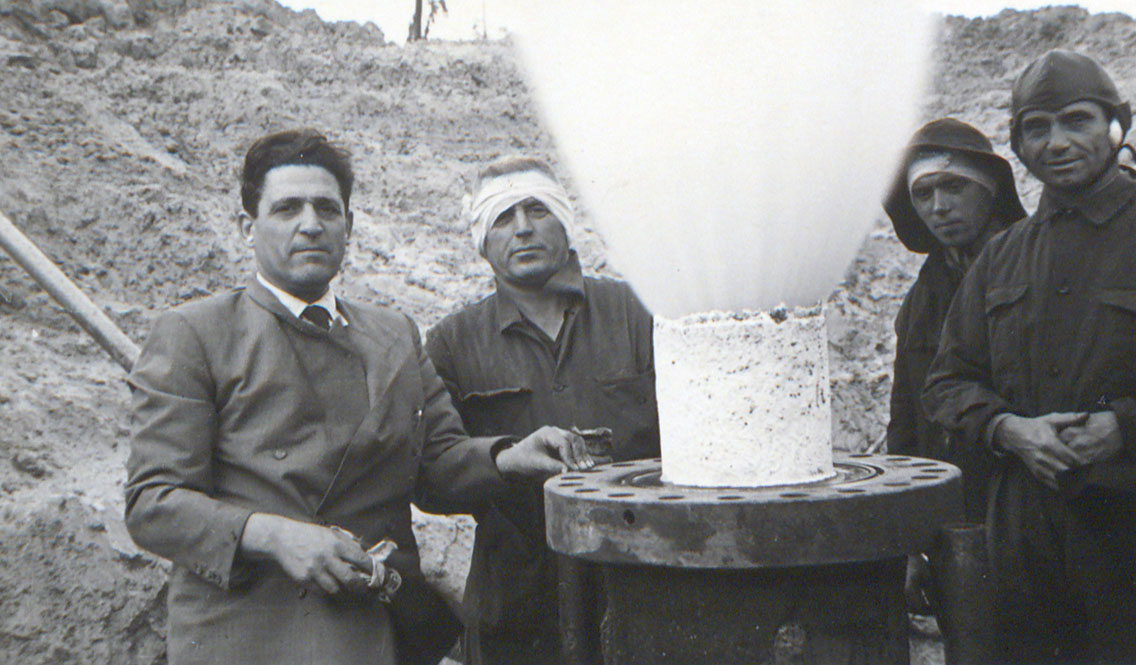
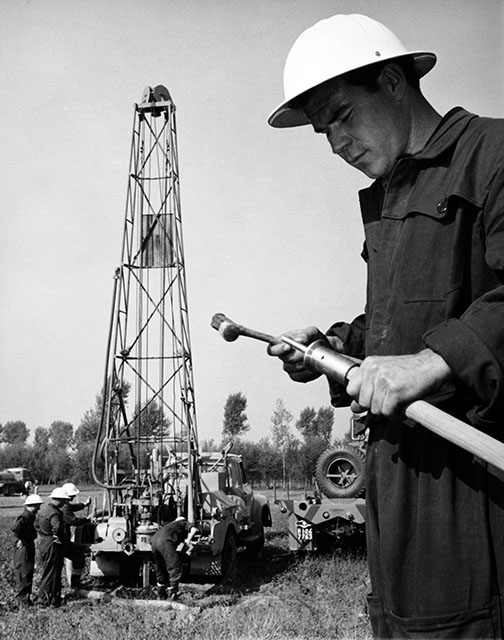
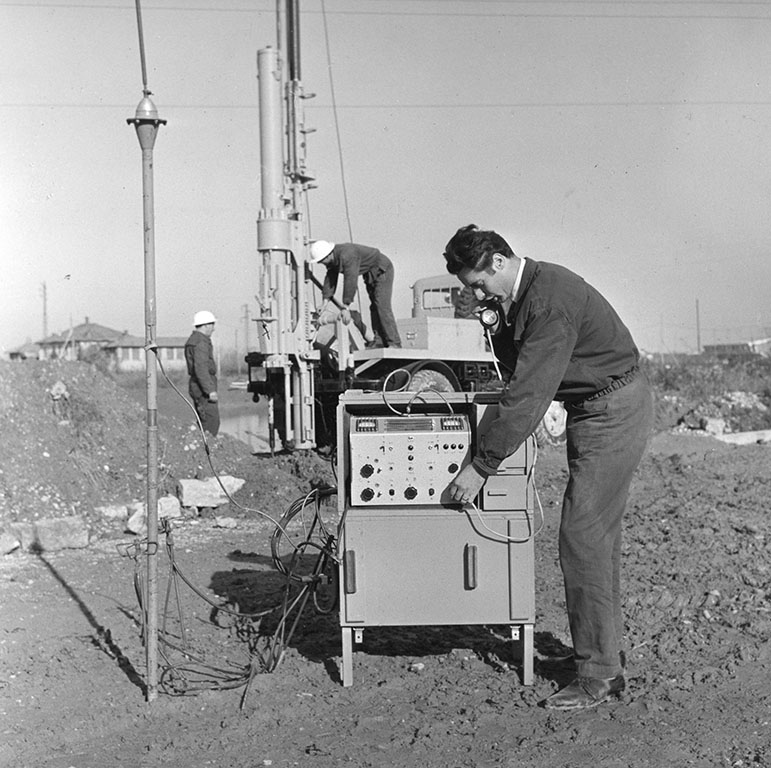
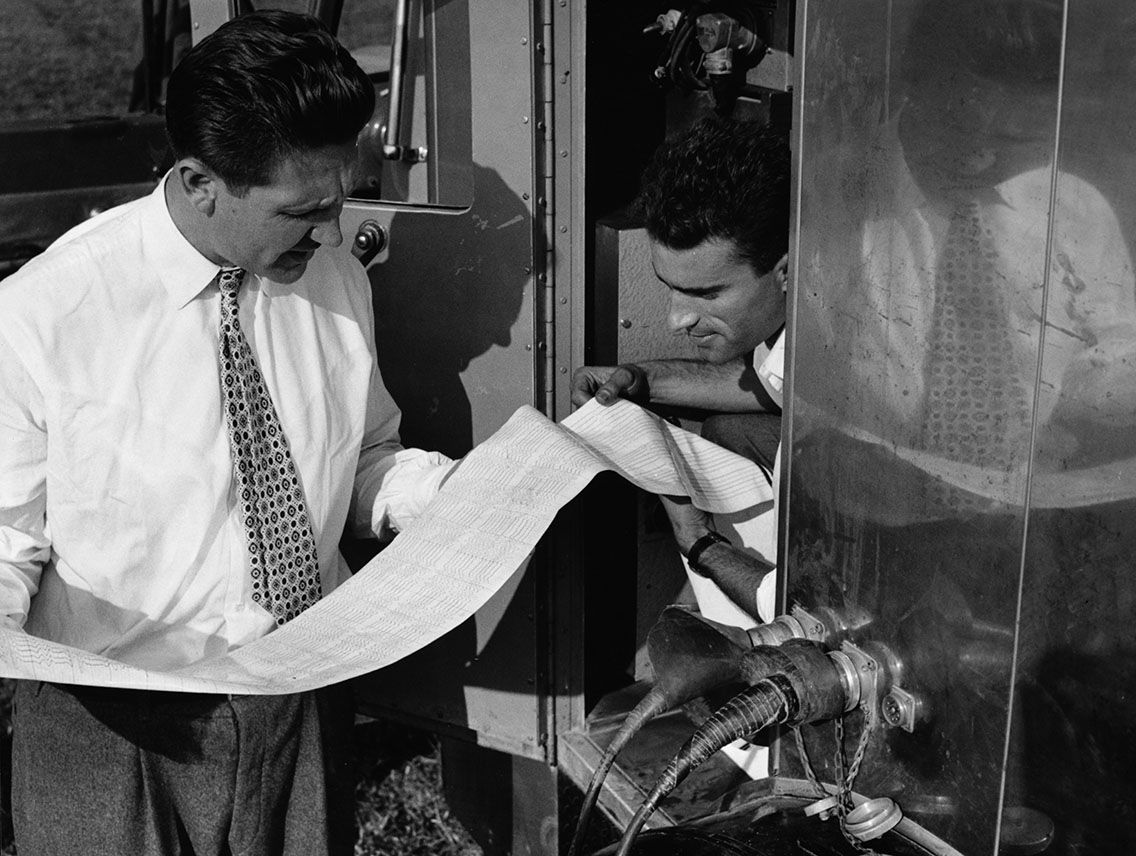
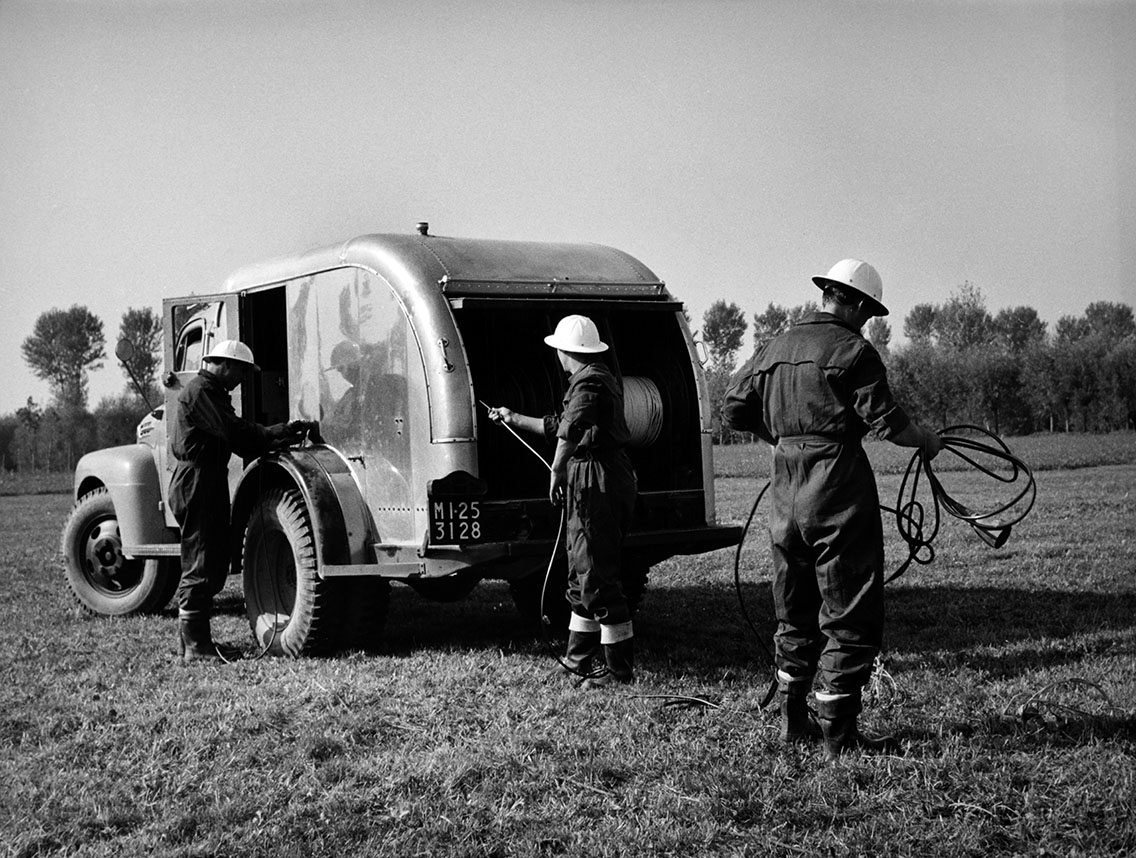
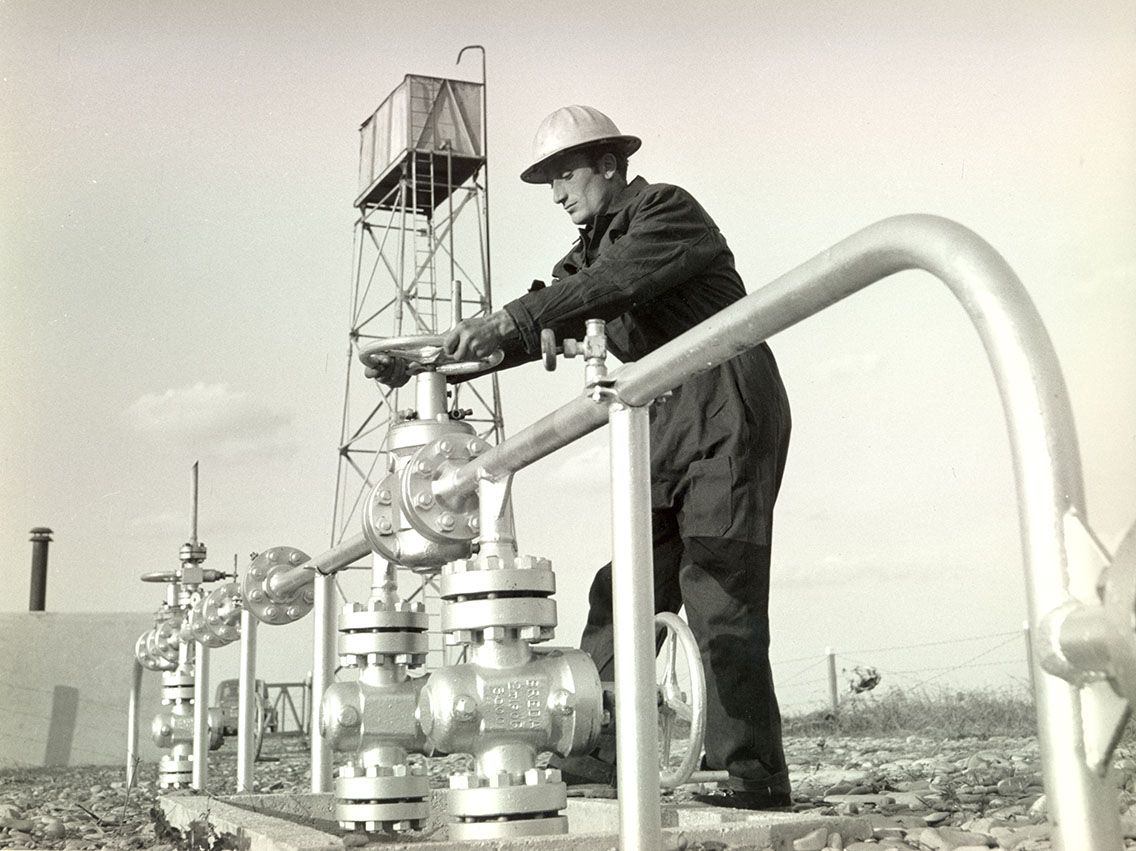
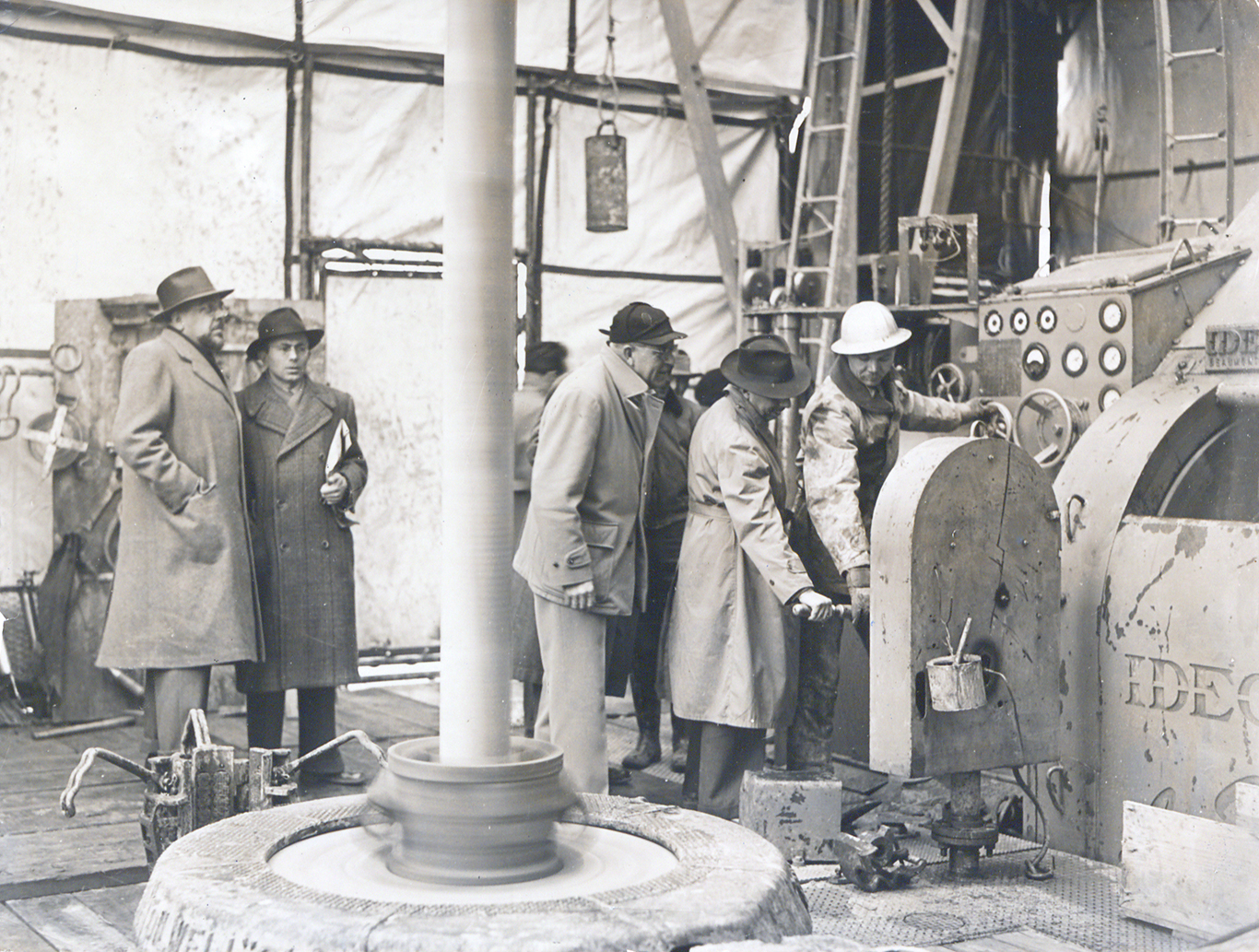
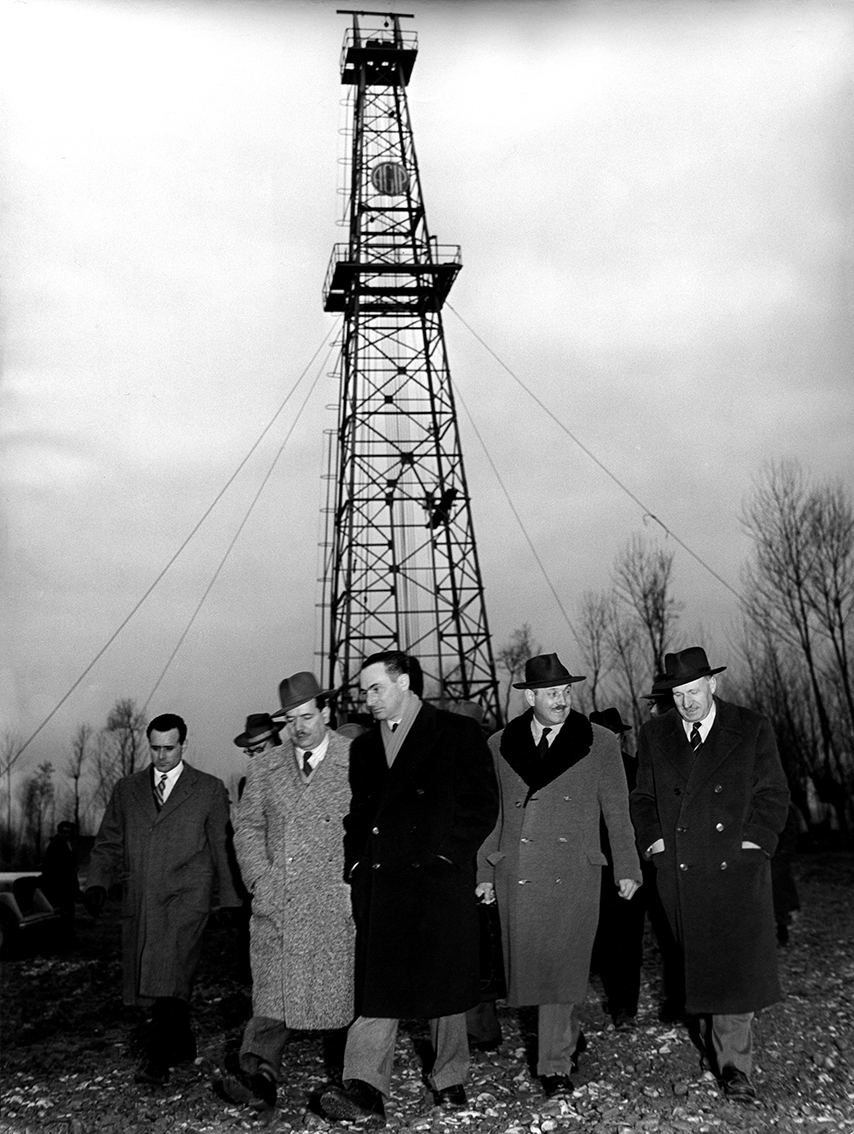
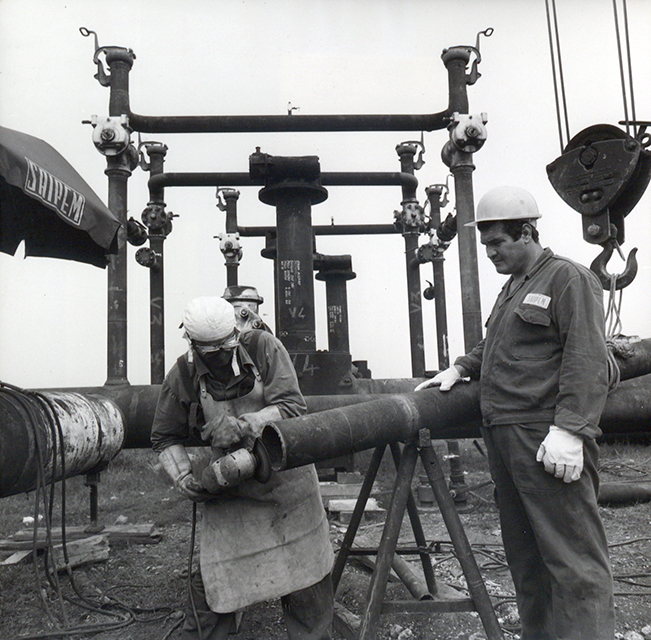
Mattei decided to continue exploration in the Po Valley, and his act of disobedience changed Agip's fortunes. The potential of the Po Valley was confirmed by the second well in Caviaga, the nearby Ripalta well, and the important discovery at Cortemaggiore in 1948. The new Lodi-Bergamo pipeline allowed companies in the north to tap into the new energy, and Italy began to rebuild. Workers were trained and an important pipeline construction activity is started with the National Metanoducts Company (Snam). Natural gas was effectively the engine of the country's rebirth; thanks to the new field discovered in Ravenna in 1952, Agip's reserves reached 30 billion cubic meters of natural gas. The need to structure itself to expand its expansion capacity thus led to the creation of the Ente Nazionale Idrocarburi (Eni) on February 10, 1953. Learn more
Methane becomes the driving force behind the rebirth of our country
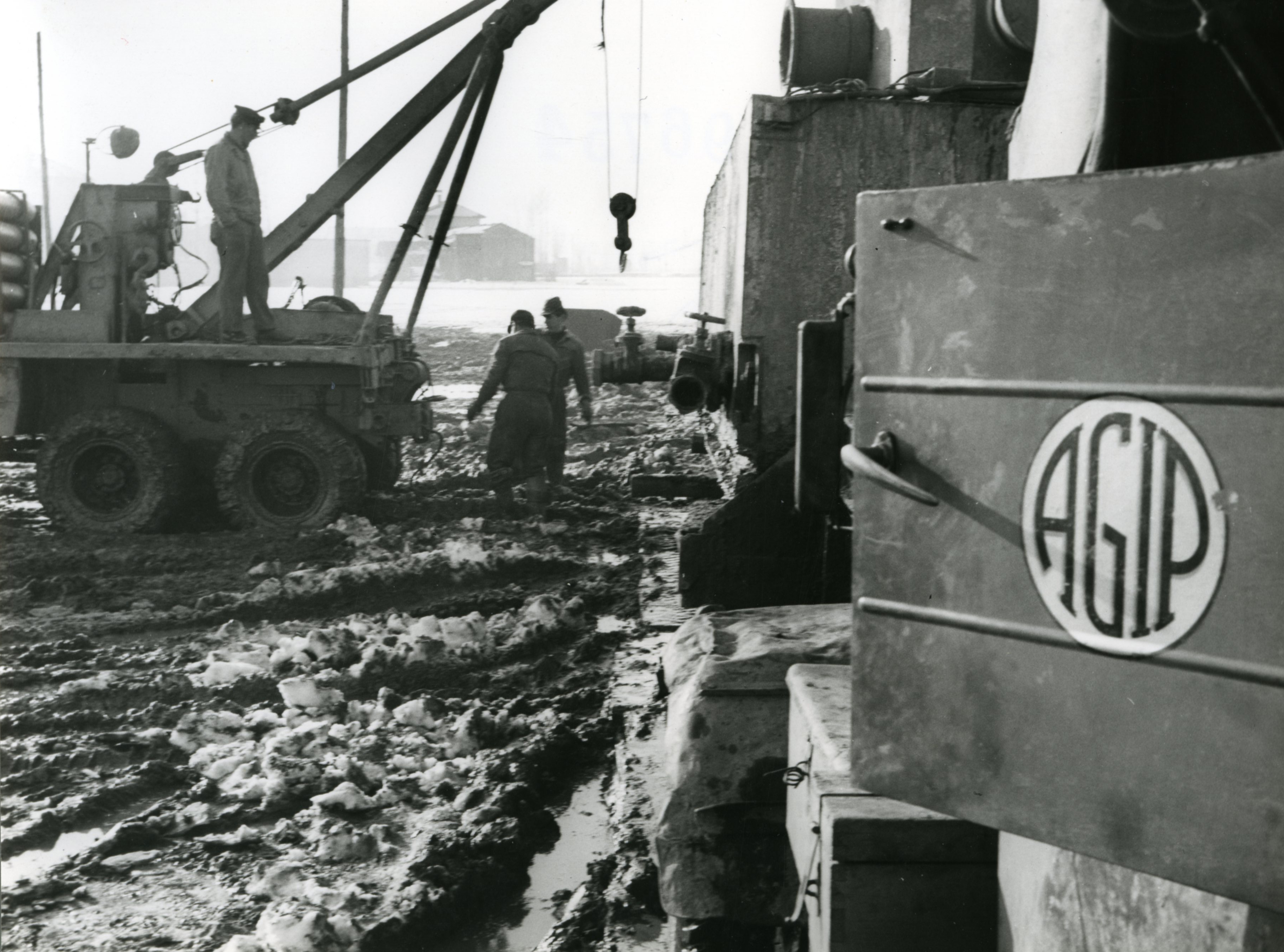
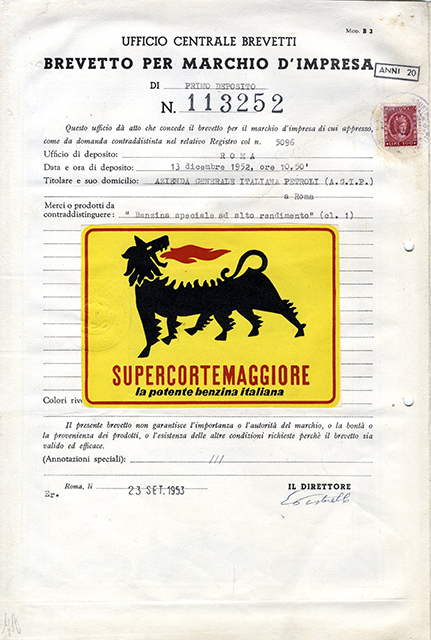

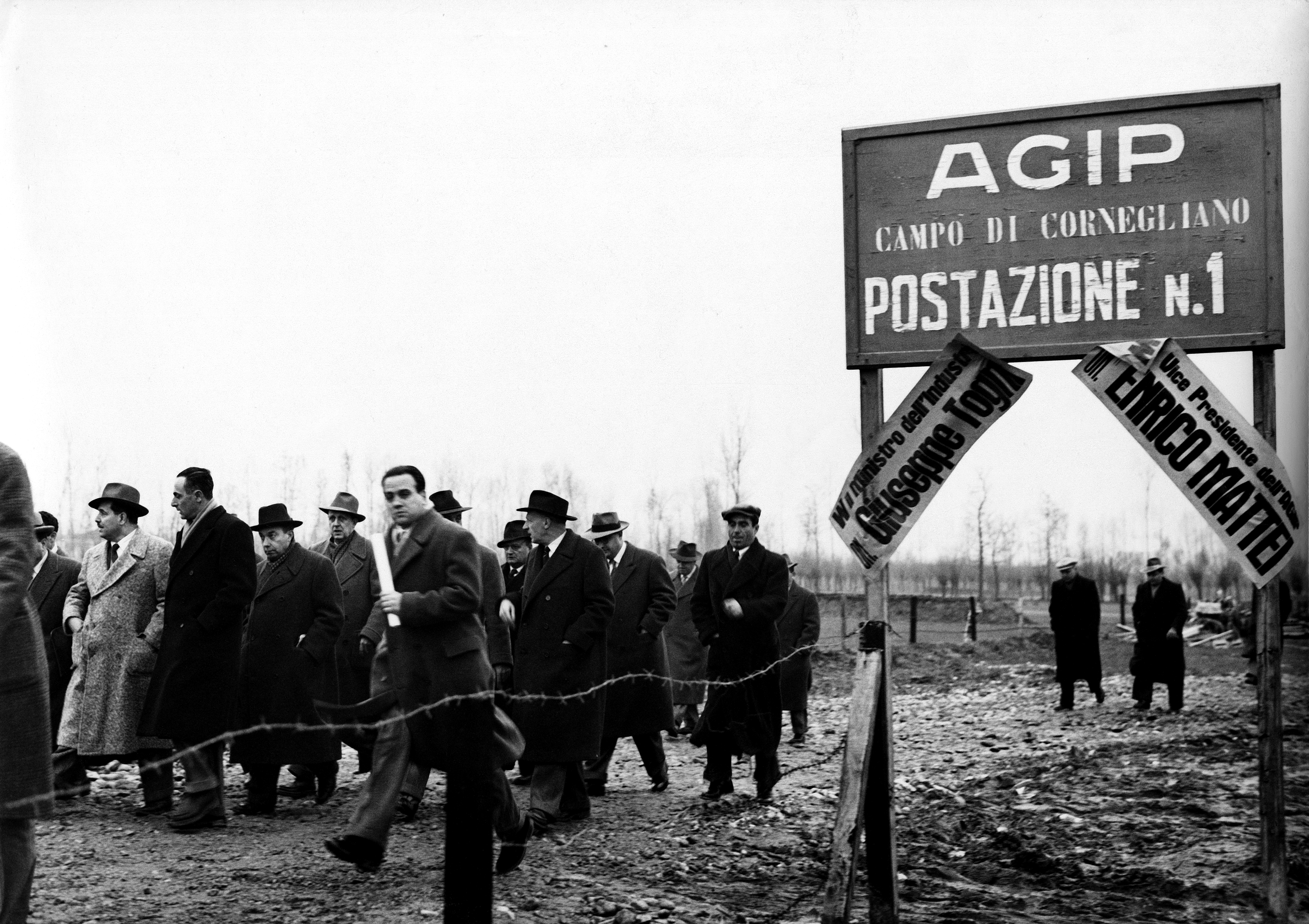
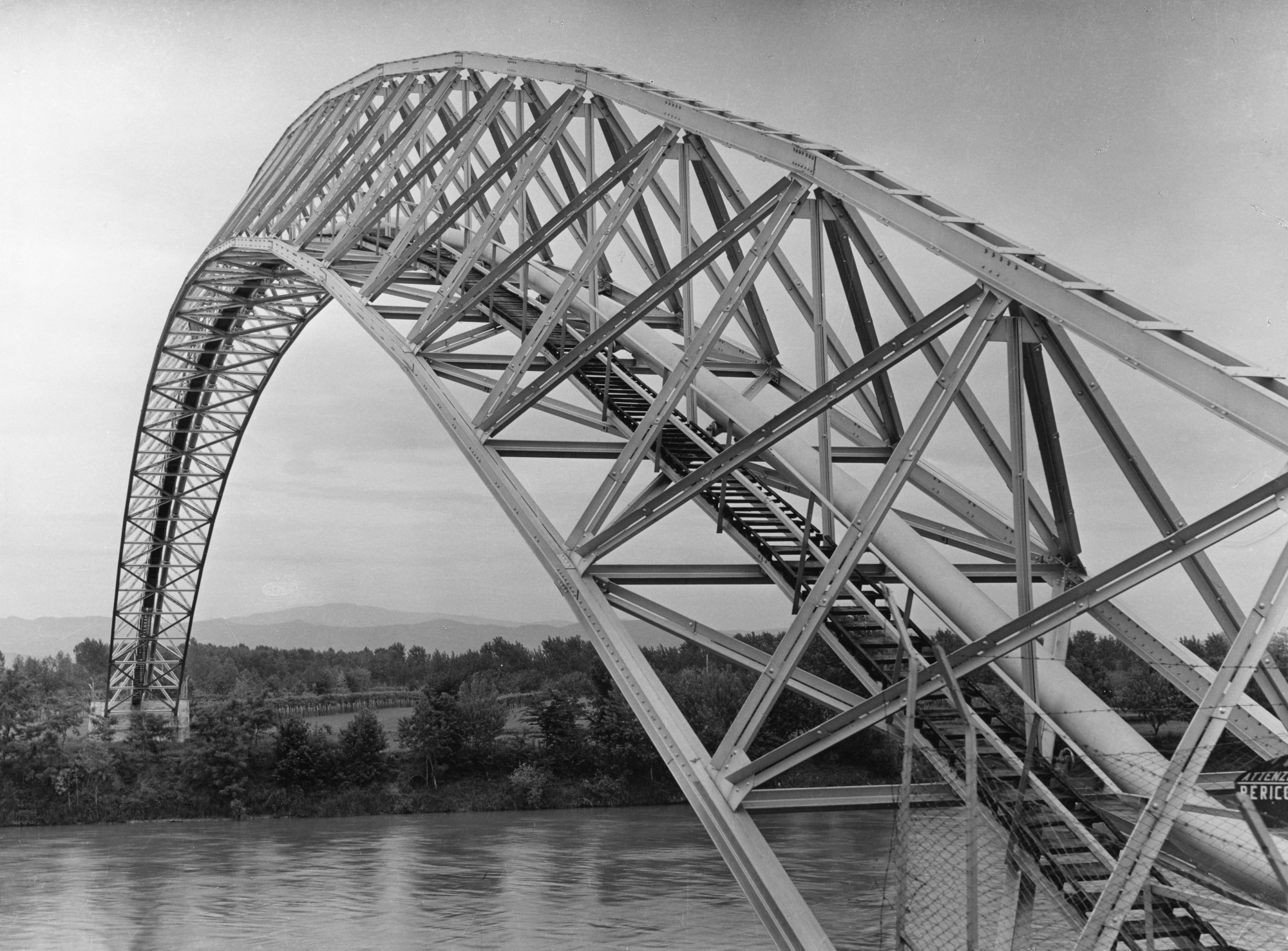
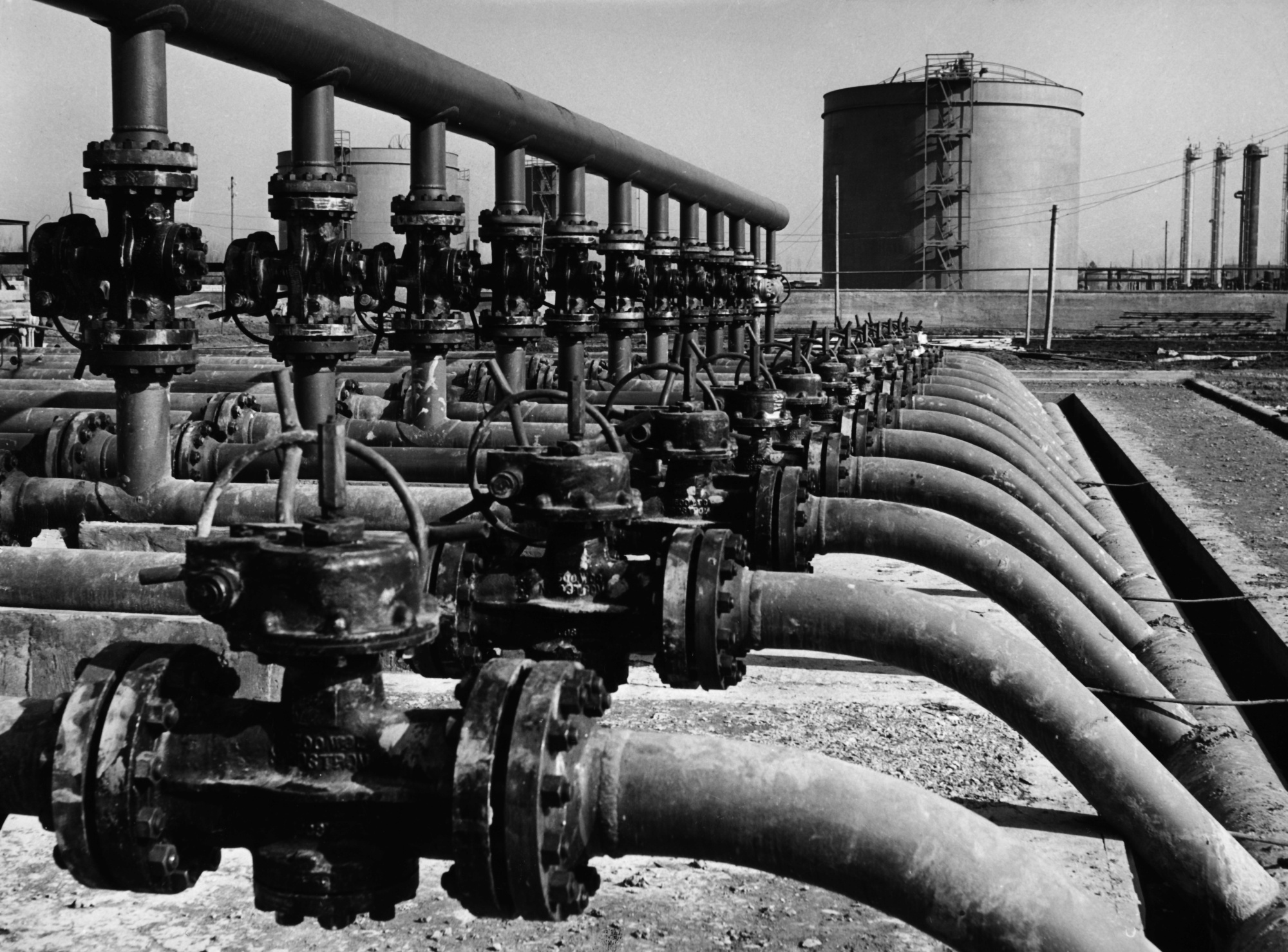
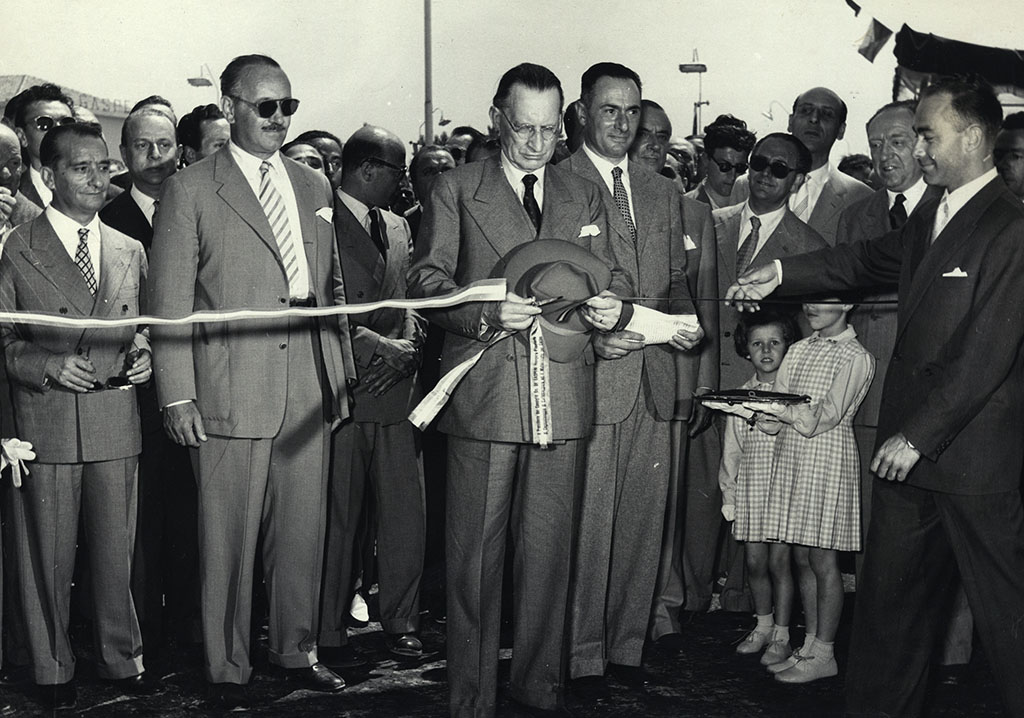
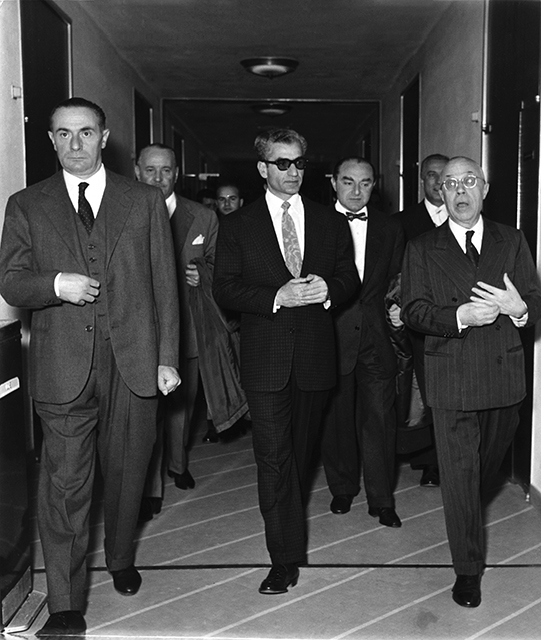
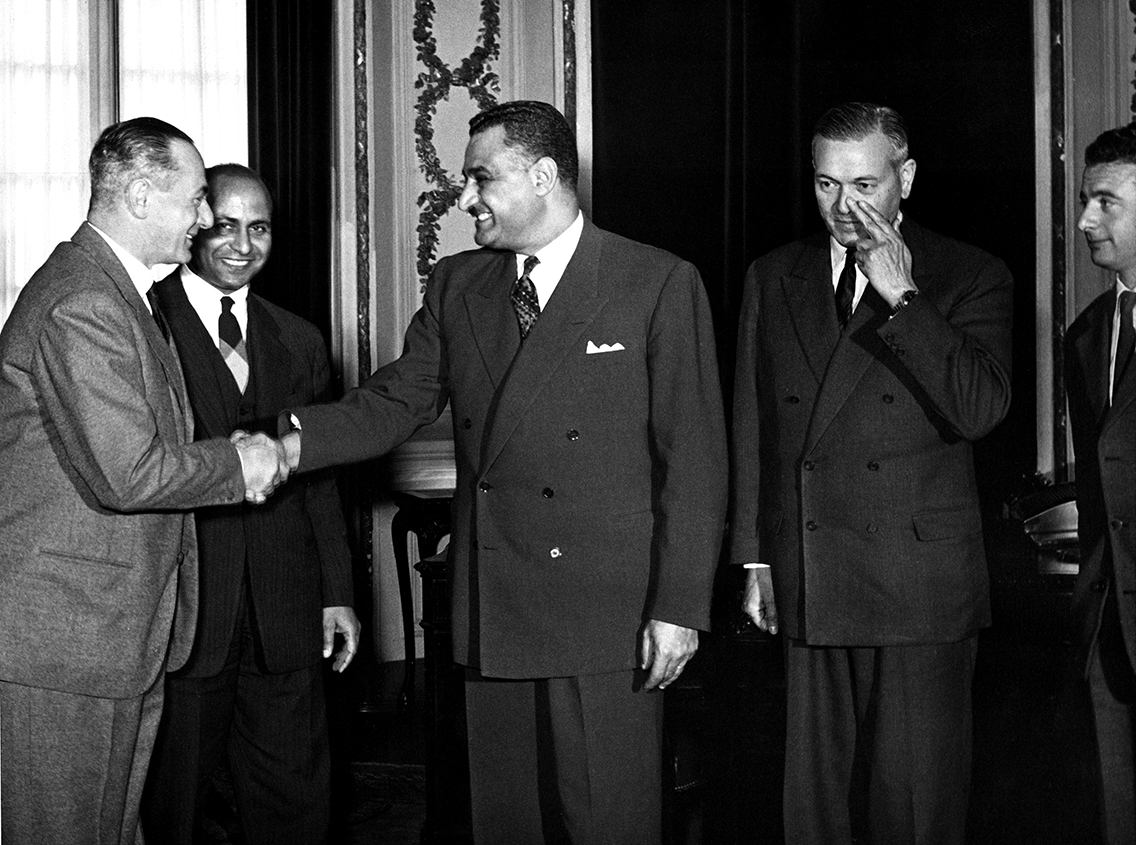
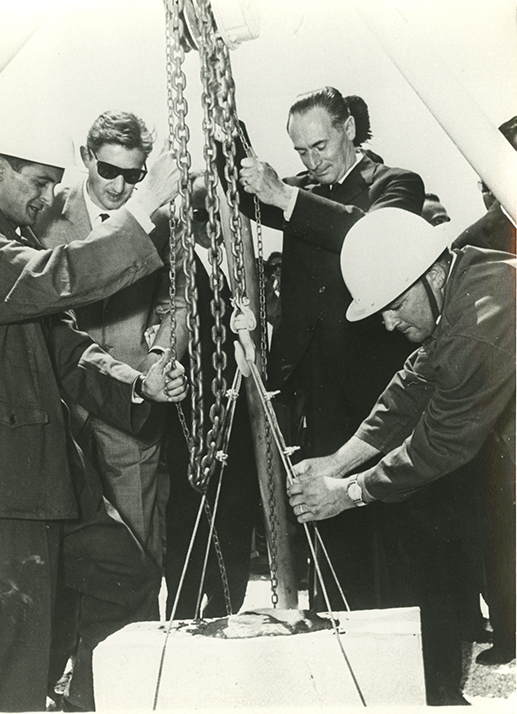
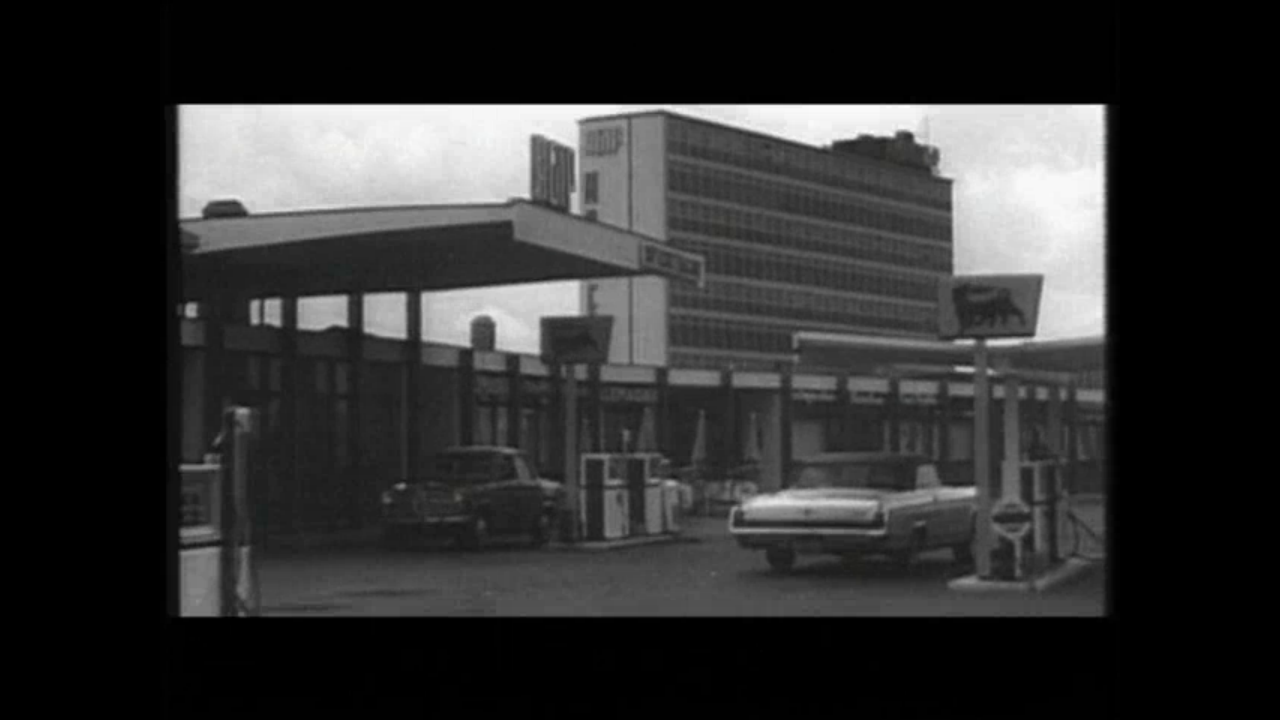
In the new entity, Agip was responsible for distribution, refining, and exploration. In 1952, the redevelopment of the facilities began, leading to the construction of a new and modern road distribution network. The English magazine "The Architectural Review" will define Agip "the public face of the Italian miracle". Learn more
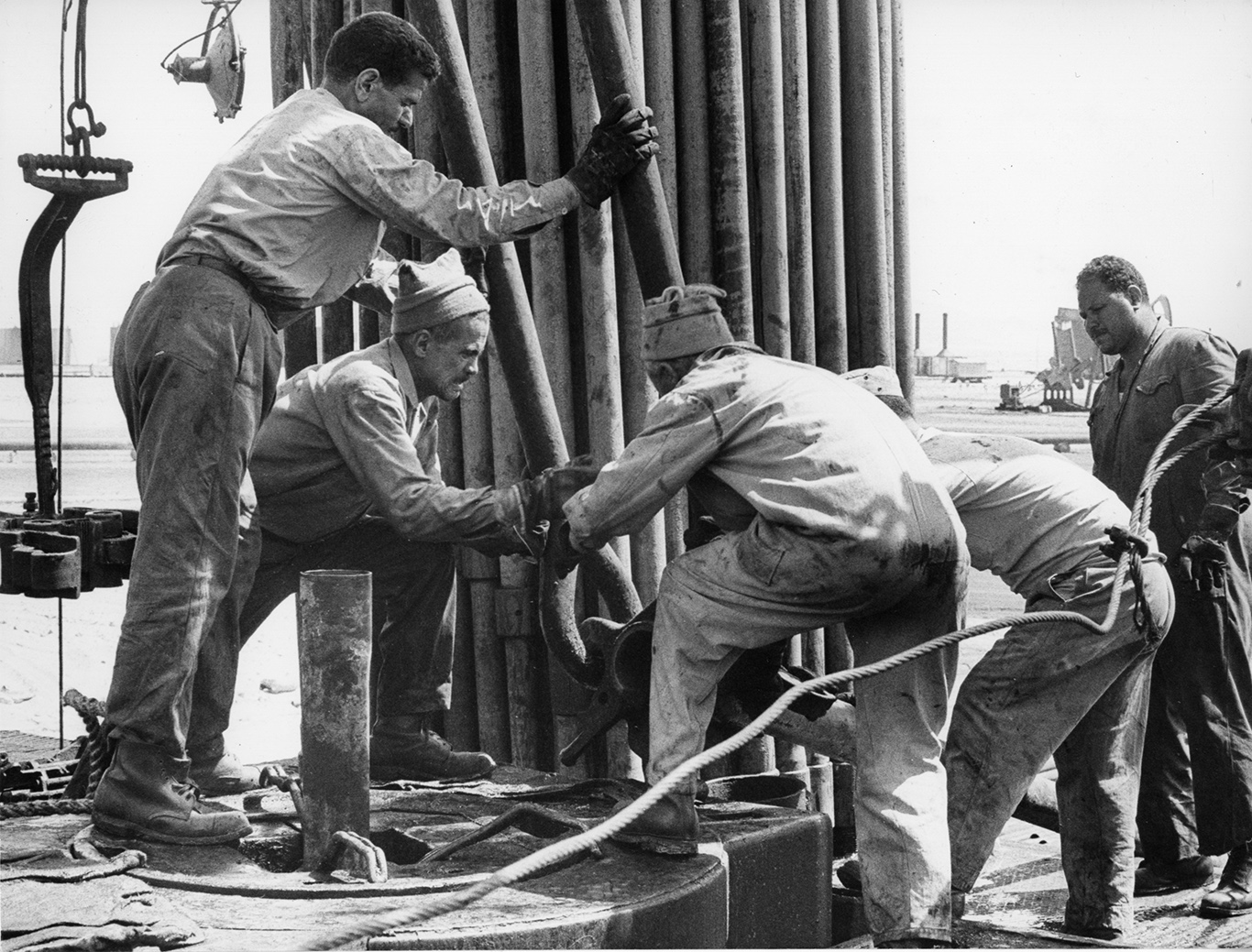
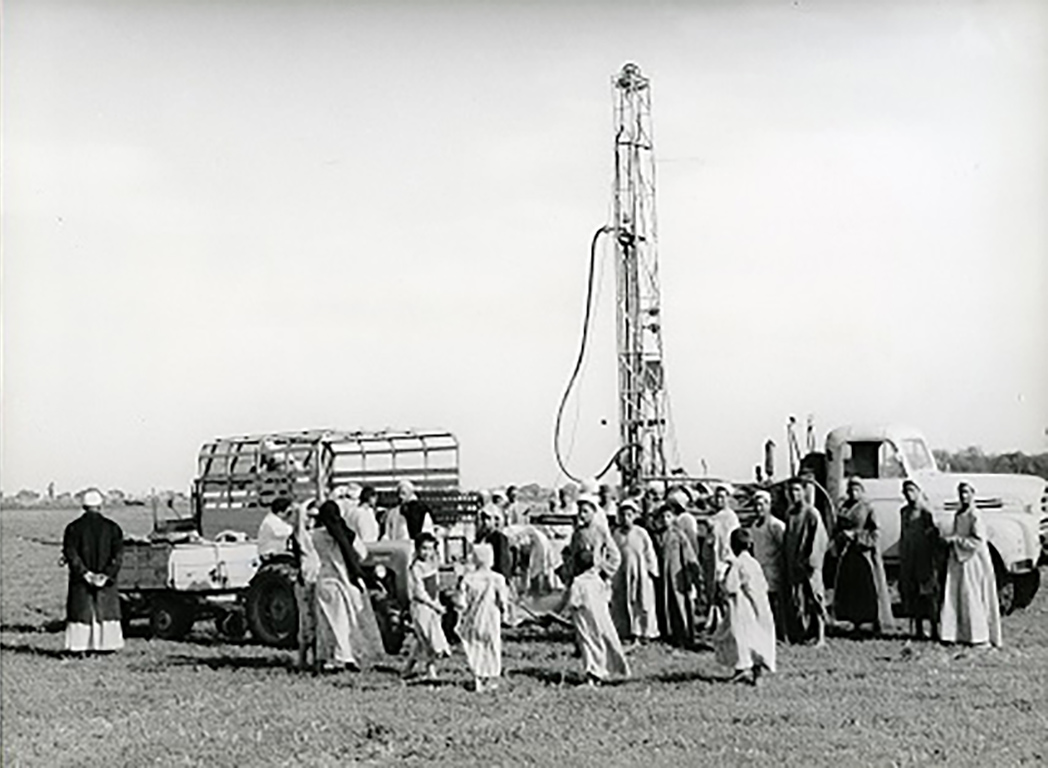
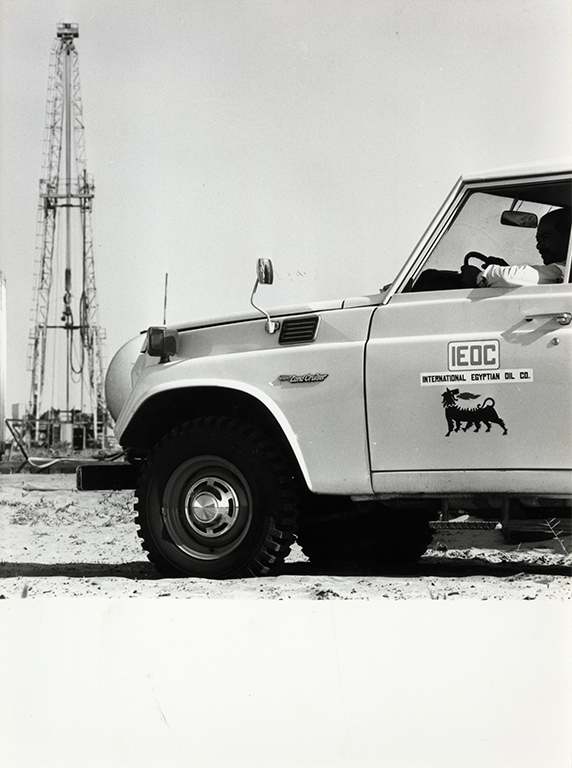
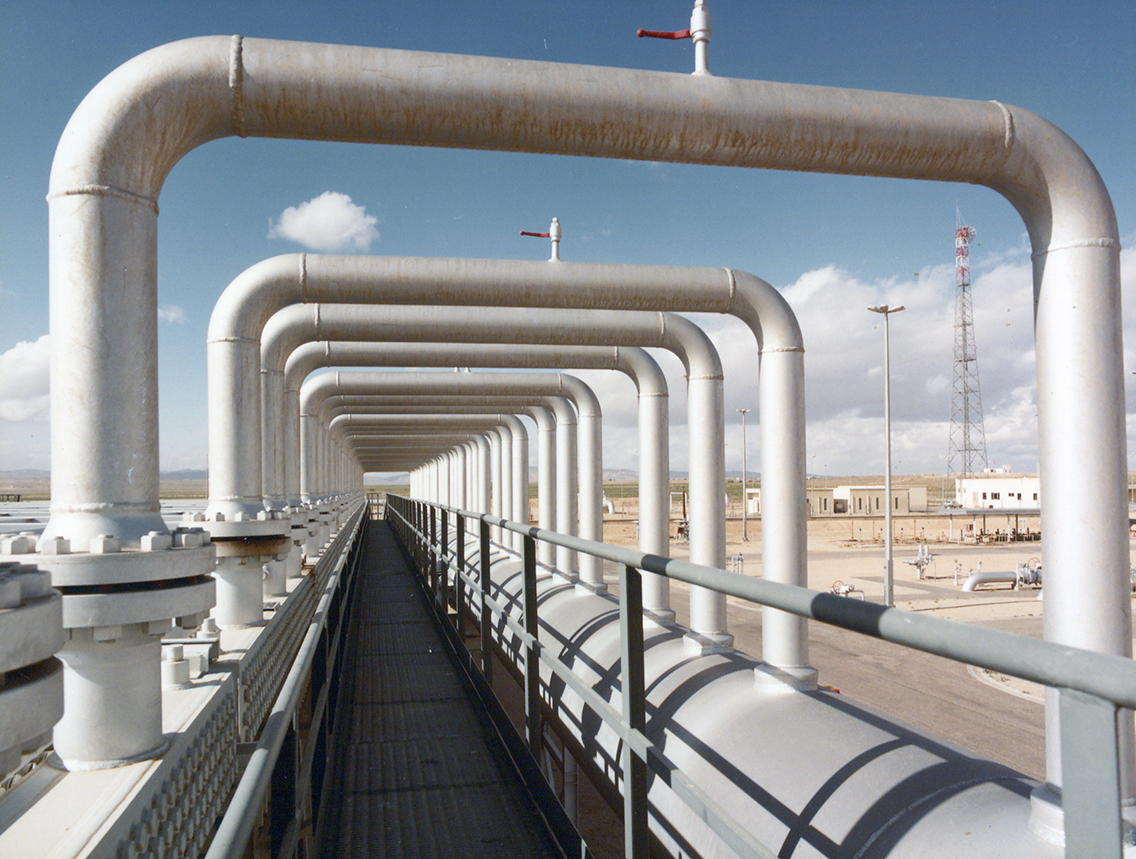
Drilling operations multiplied in Italy (Gela 1959, Ravenna 1960, Gagliano, Ferrandina, San Salvo, Cupello, Pisticci, and Porto Corsini) and resumed abroad, in Egypt (IEOC 1955, Belaym and Abu Rudeis), Iran (NIOC 1957), Tunisia (Sitep 1963, El Borma), Morocco, Sudan, and Nigeria. The encounter with new and diverse cultures enriched the archive with unique testimonies of cultural anthropology. Learn more
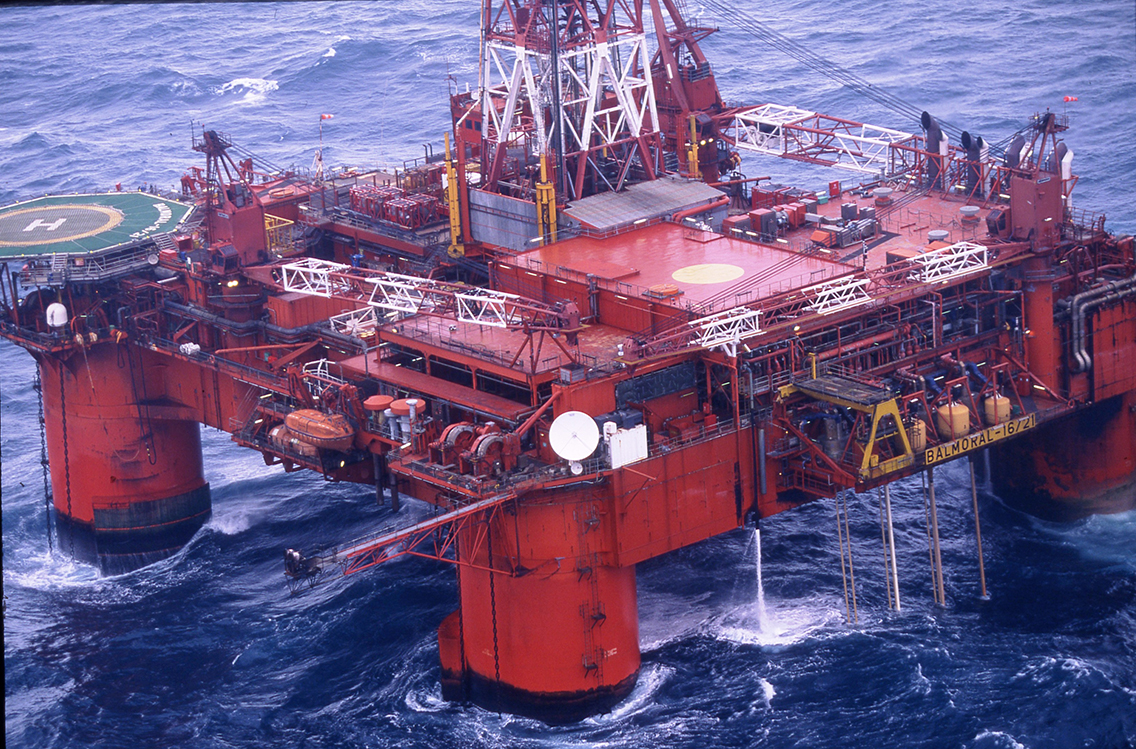
By the early 1970s, the company held nearly 1 million square kilometers of mining rights worldwide, from the North Sea, Saudi Arabia, Abu Dhabi, Qatar, and Madagascar, to the United States, the Netherlands, Argentina, Indonesia, Congo, and Colombia, as well as Tanzania and Thailand. The Ekofisk deposit is discovered in Norway and the Emeraude deposit in Congo, the world's first example of steam-assisted recovery applied offshore.
The encounter with new and different cultures enriches the archive with unique testimonies
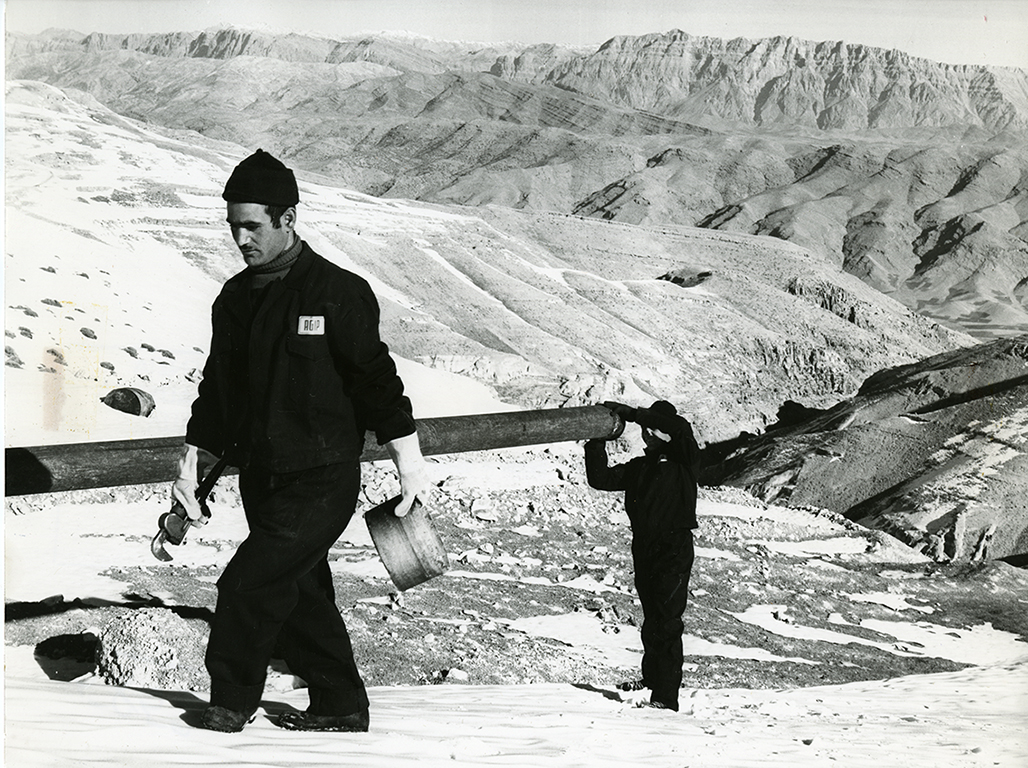
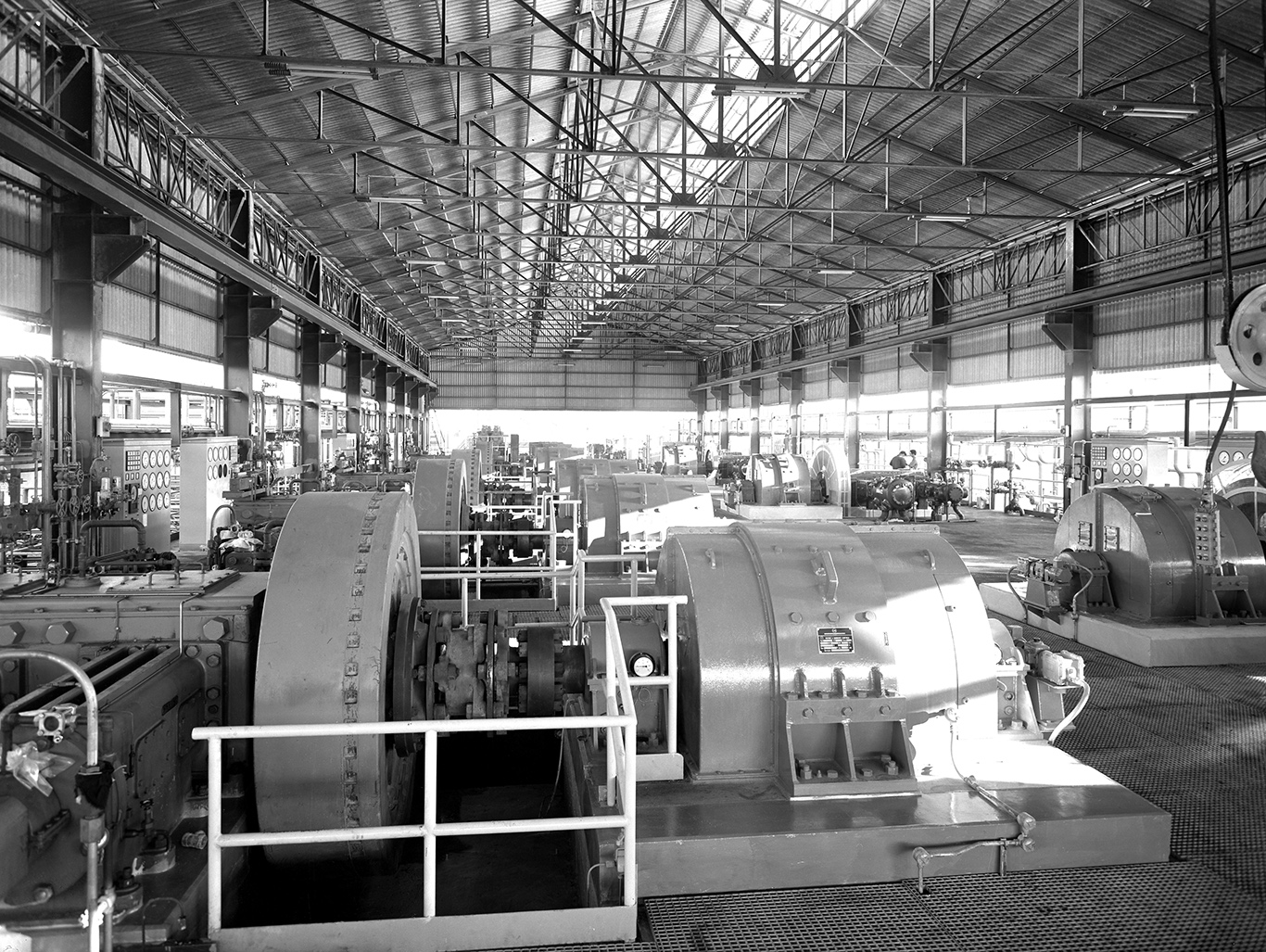
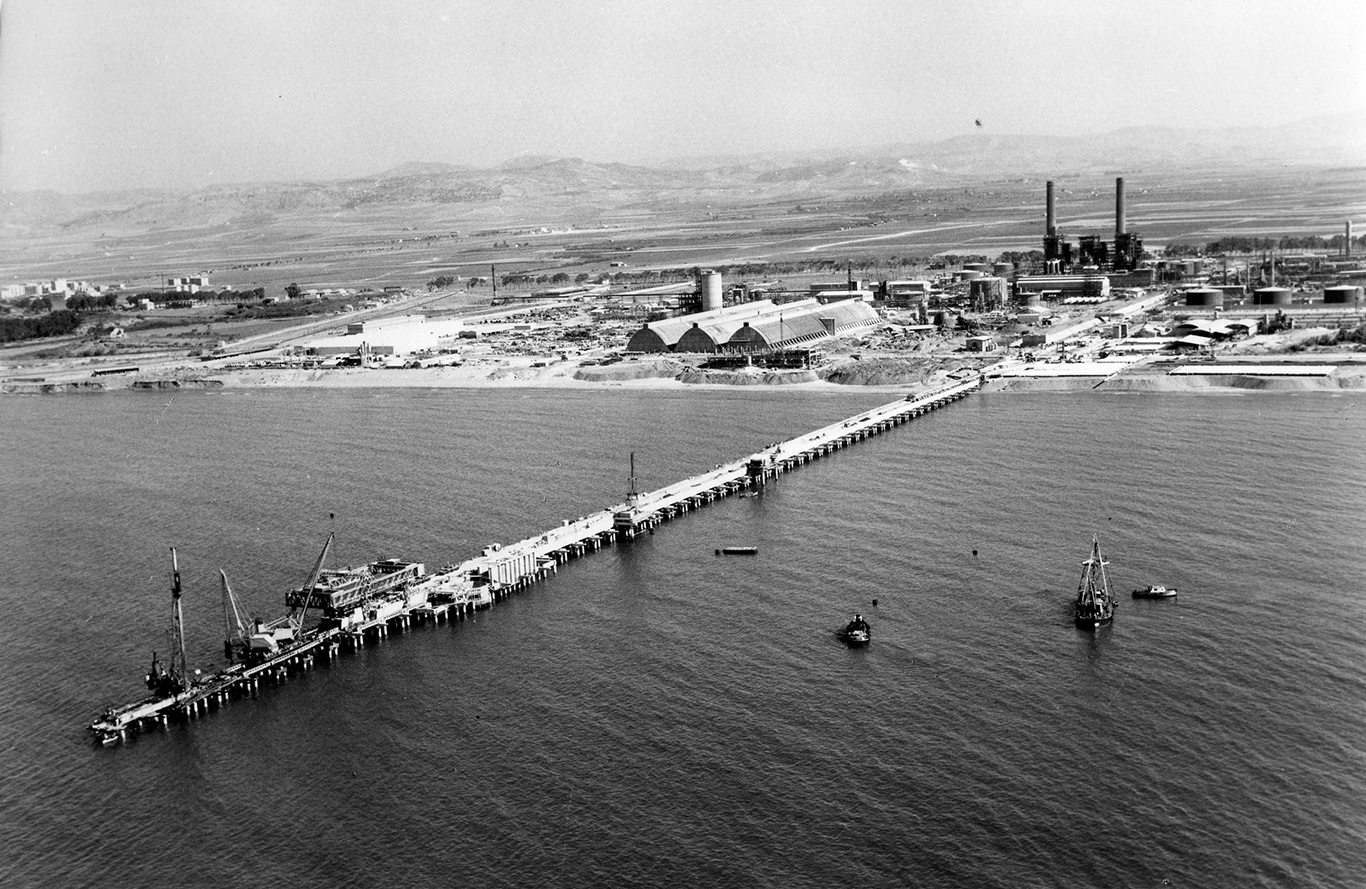
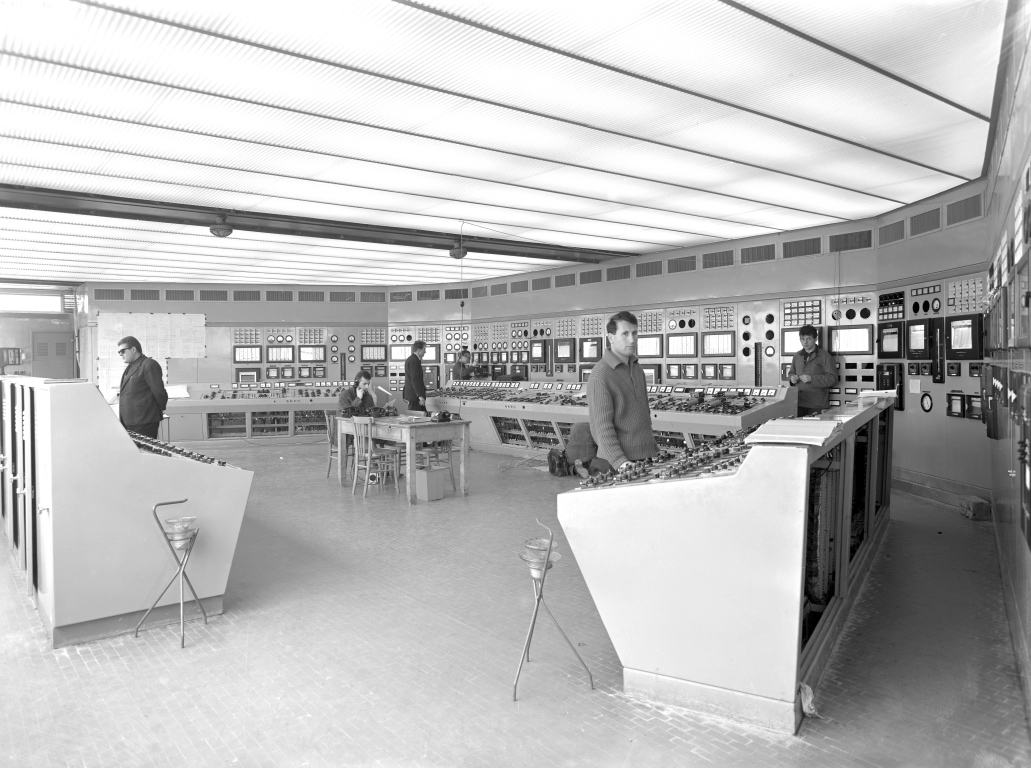
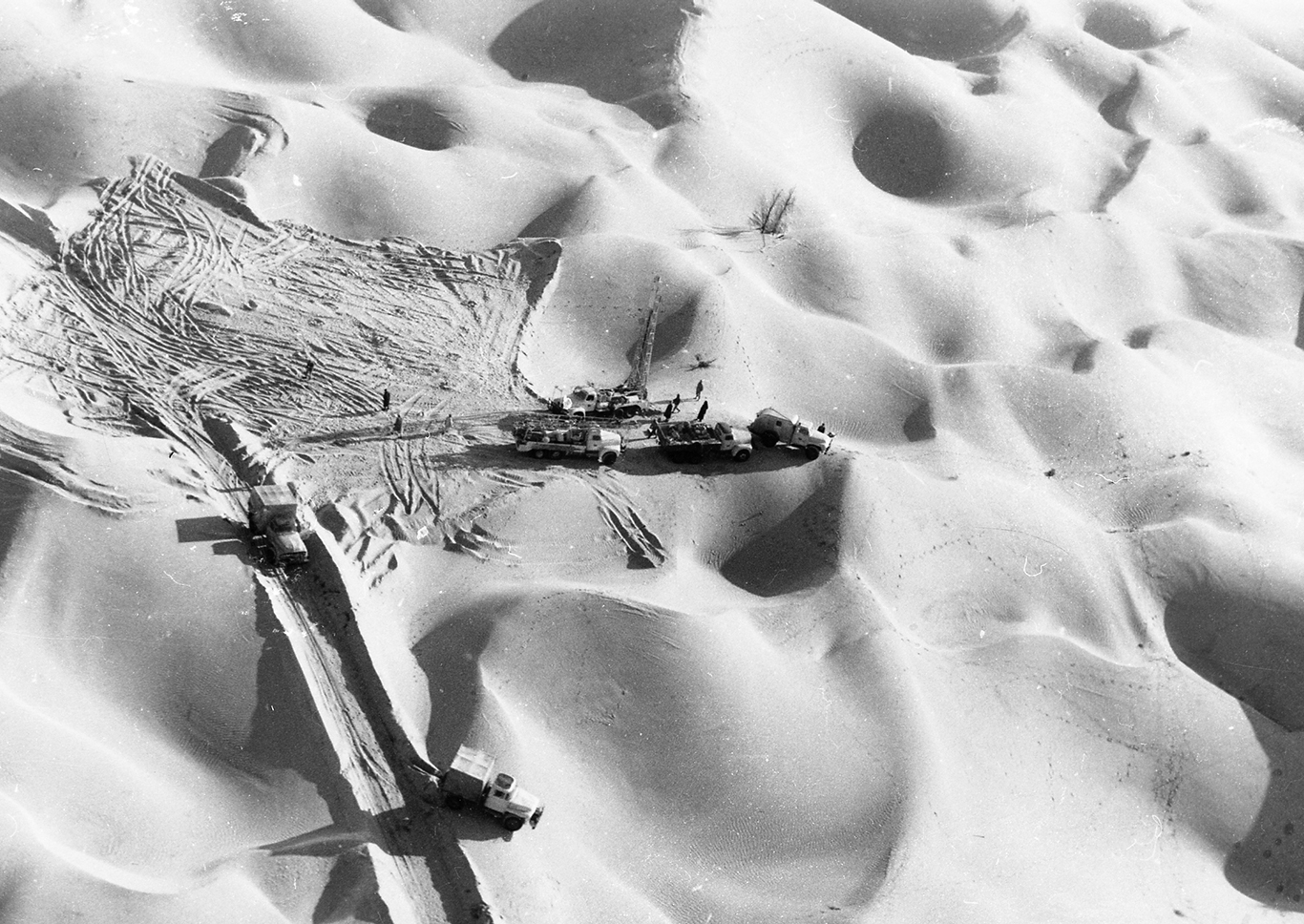
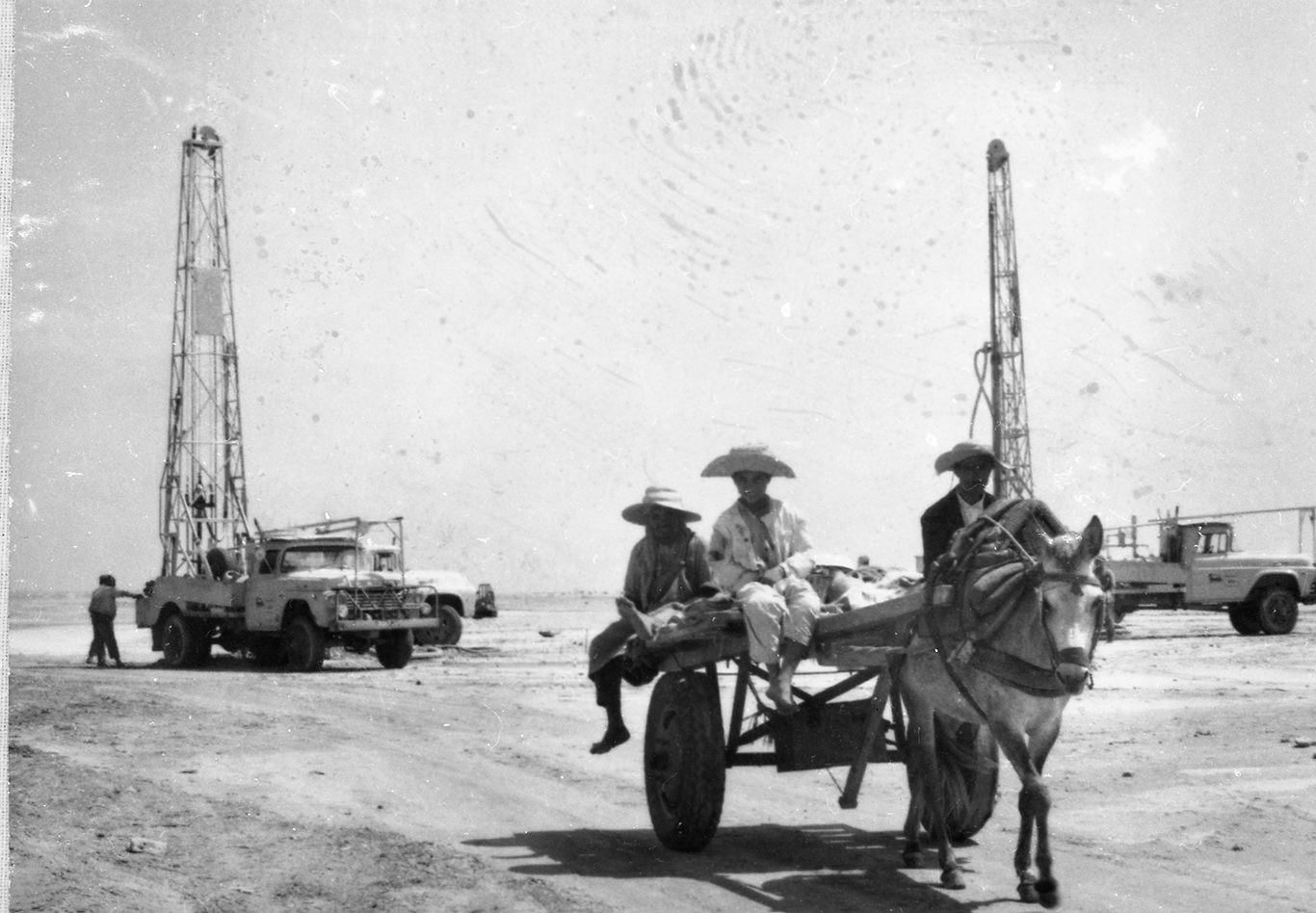
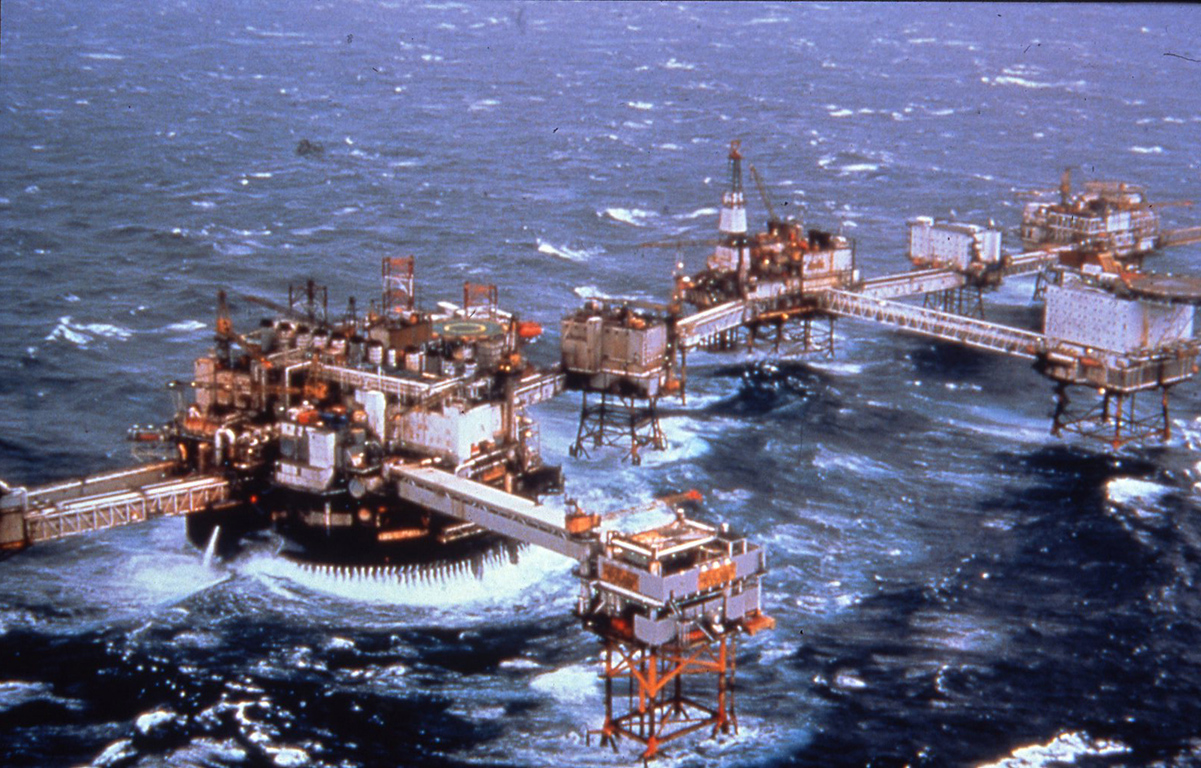
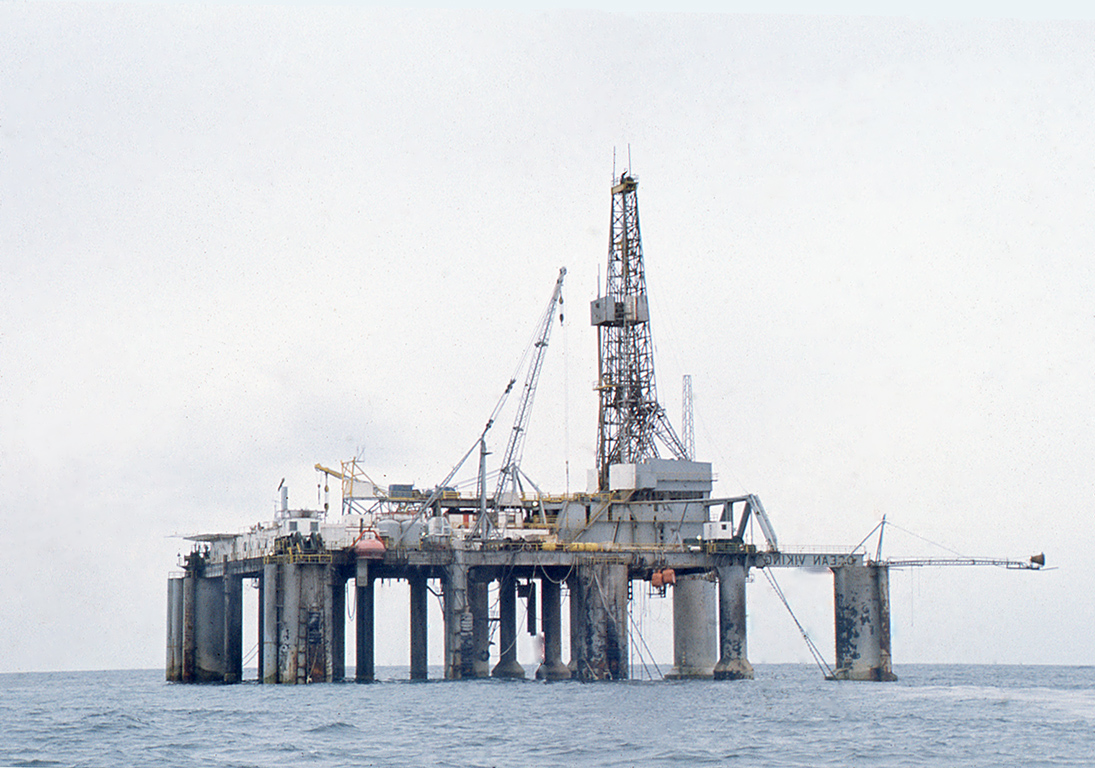
The company expanded its international presence with exploration in Greenland and new discoveries in the North Sea, Congo, and Nigeria, establishing itself in the offshore sector: gravity platforms were used for the first time in Loango. In 1972, the first discovery was made in the Ionian Sea; with a view to diversification, Agip also launched its own uranium exploration. In the mid-1970s, international joint ventures multiplied and new technologies for complex deposits were developed. In 1978, an internal reorganization assigned refining to IP and distribution to Agip Petroli. At the same time, new markets (Ghana and Vietnam) were explored and geothermal, wind, and solar energy activities were launched.
In 1981, Agip Nucleare was founded; by 1982, the company was the ninth largest oil company in the world. In 1983, it expanded into Guinea, China, and Australia, with new discoveries in Angola, the Gulf of Mexico, the Strait of Sicily, the Adriatic Sea, and Novara.
By the 1990s, Agip was operating in 24 countries across four continents. Algeria and Libya brought important new discoveries, and the company was opening up to new high-potential markets such as the former Soviet Union, Kazakhstan, and Azerbaijan. 1994 was a record year, with hydrocarbon production exceeding one million barrels per day, consolidating Agip's position among the international majors. The 1990s were also years of transformation: from a large public company, Eni transformed into a listed group capable of competing globally, while maintaining a strong industrial identity and a solid corporate culture. Learn more
At the end of the 1990s, Agip was incorporated by Eni, becoming an integral part of the group.
With a view to energy diversification, Agip also directs its activities towards the research and supply of new energy sources
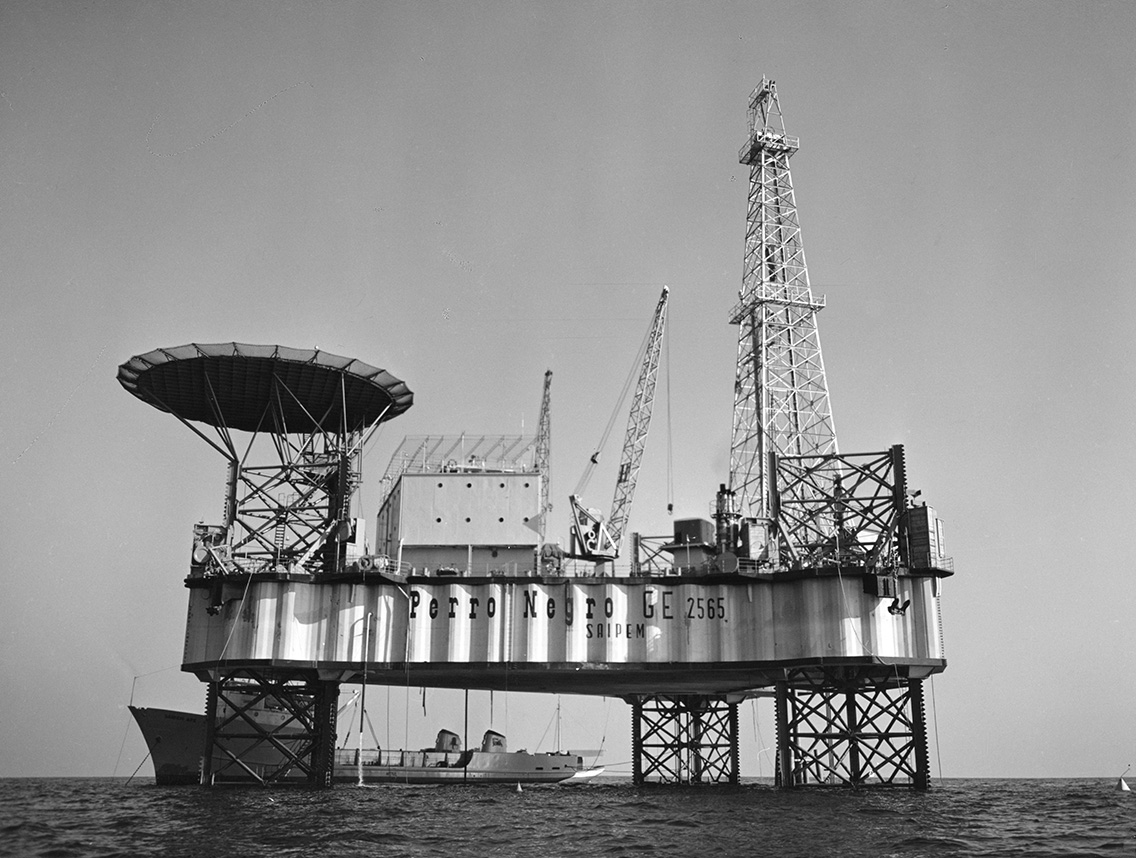
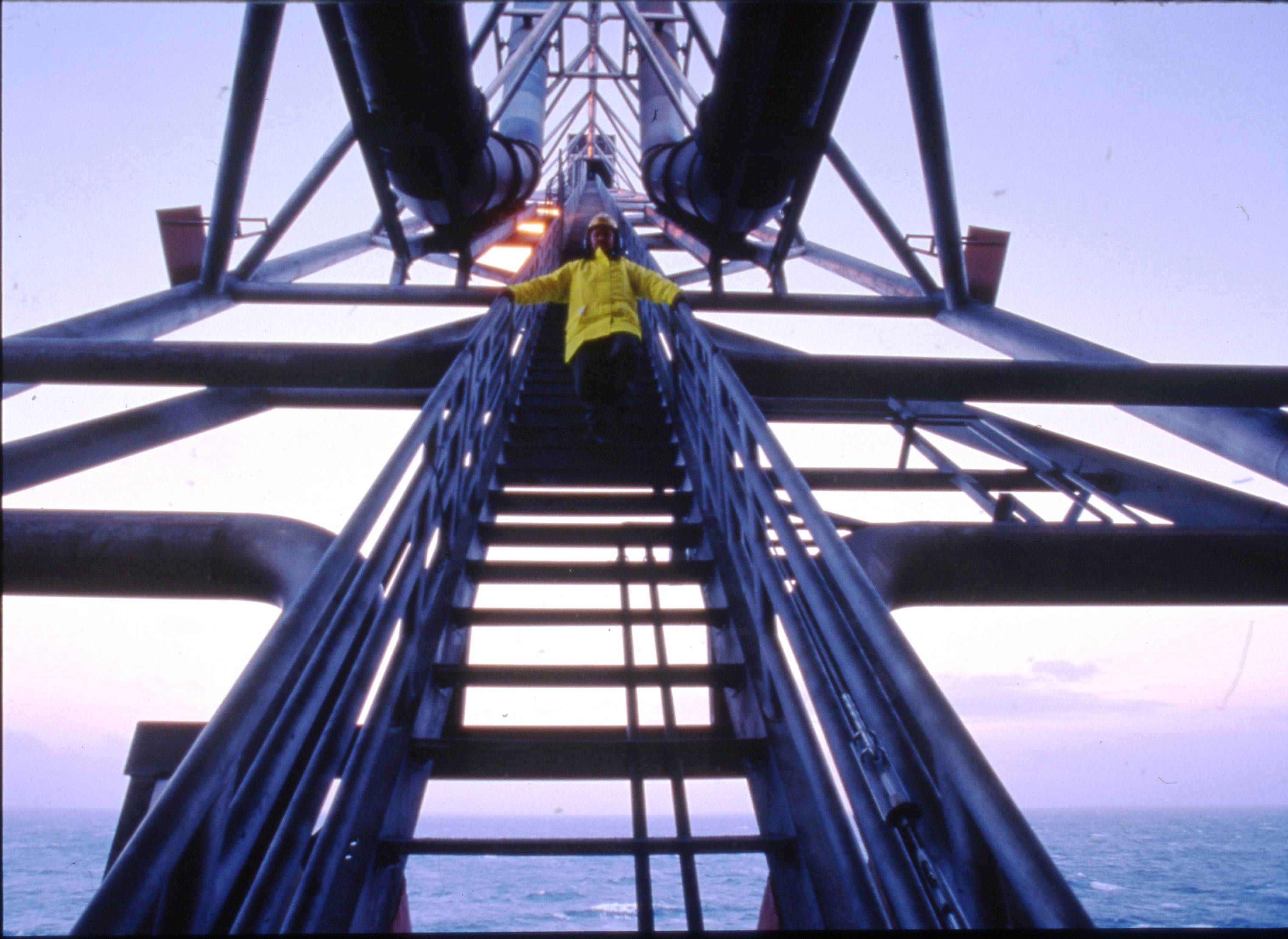
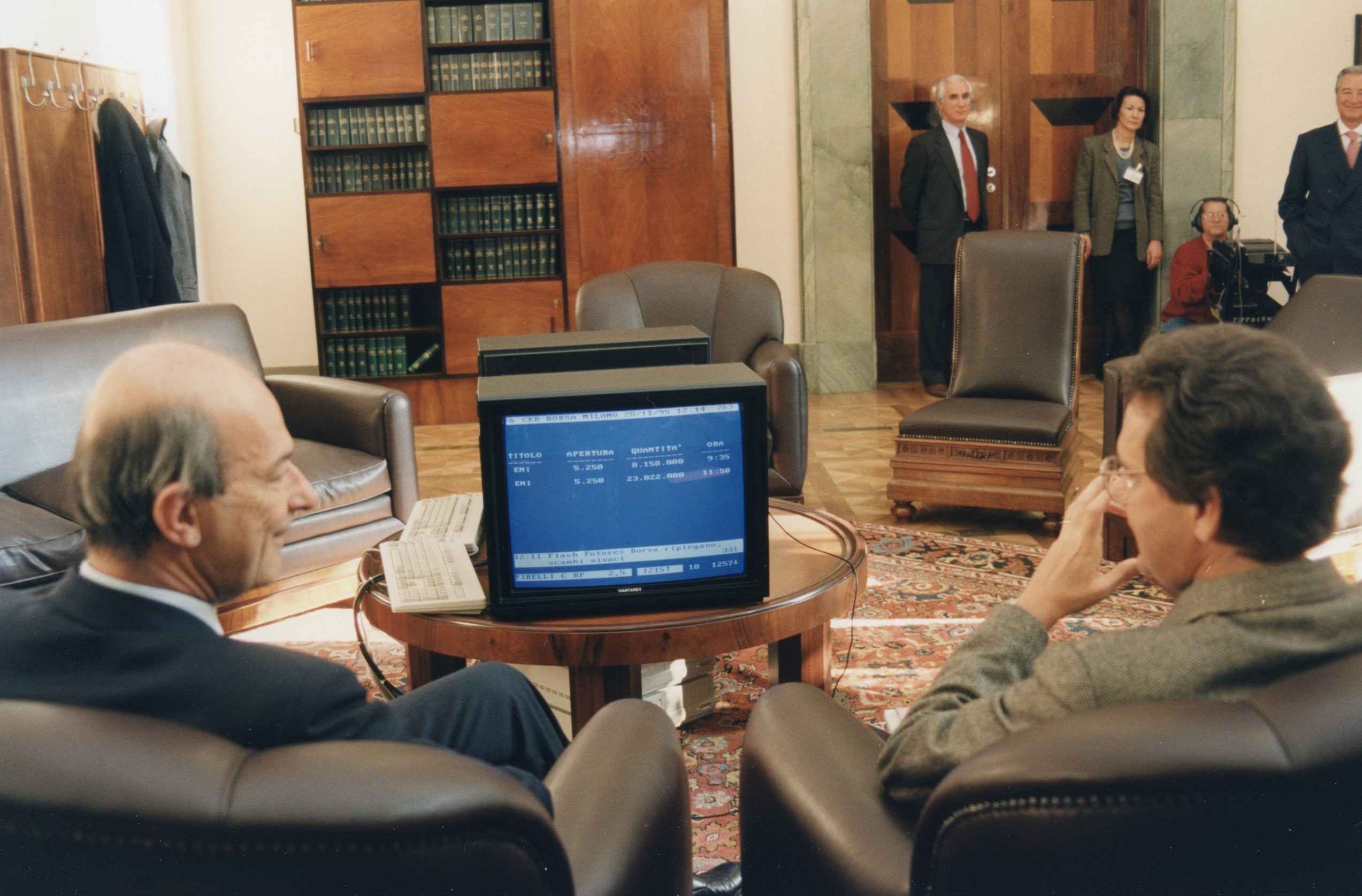
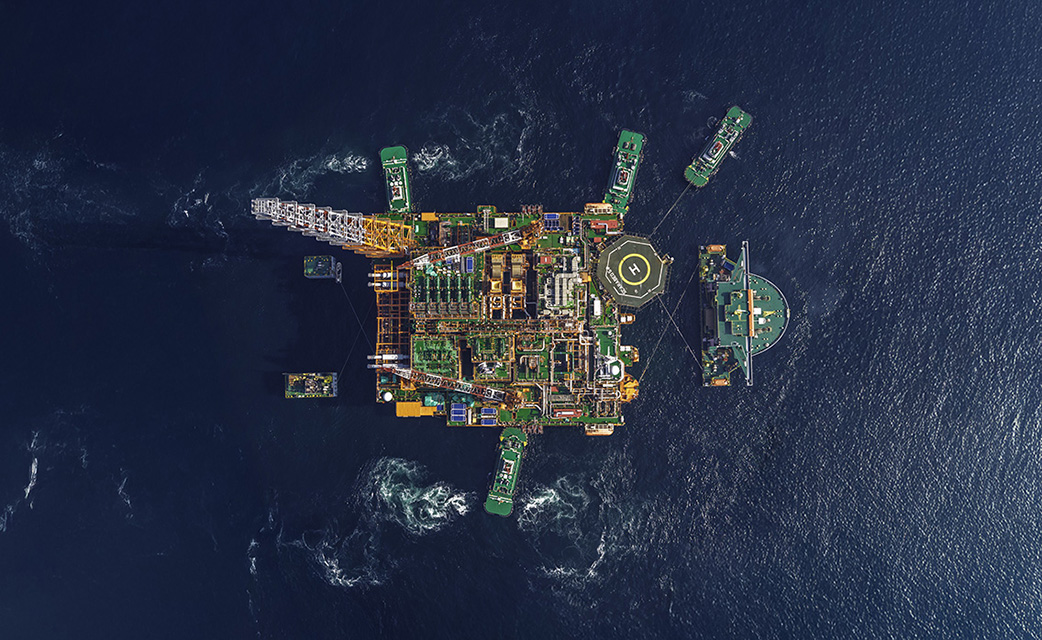
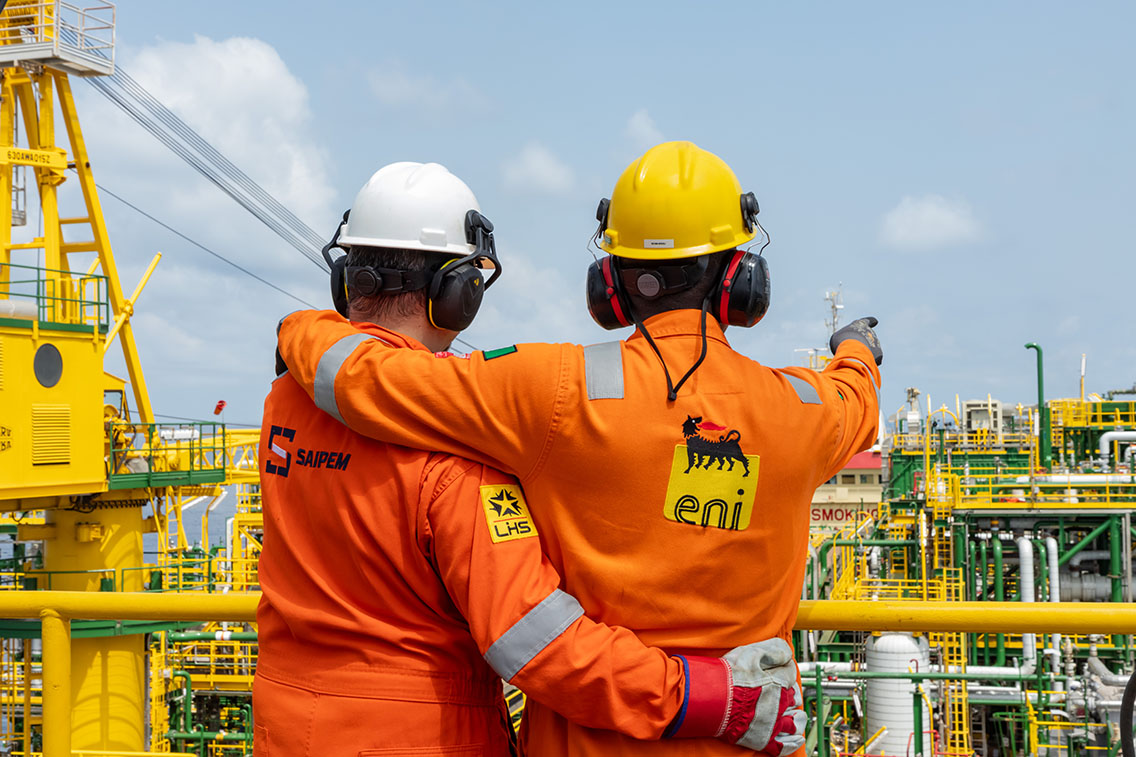
In the new millennium, energy means security, competitiveness, growth, and environmental sustainability. Eni has always supported the country through major economic and social changes, placing technology and expertise at the heart of its work, becoming a global Energy Tech Company, committed to the energy transition and building an increasingly secure and sustainable future.
The "six-legged dog" has changed its appearance to support Eni in its ongoing evolution. Today, our logo is being revamped once again to communicate Eni's unique, strong, and innovative identity, founded on shared values.
Committed to contributing to building a more sustainable future